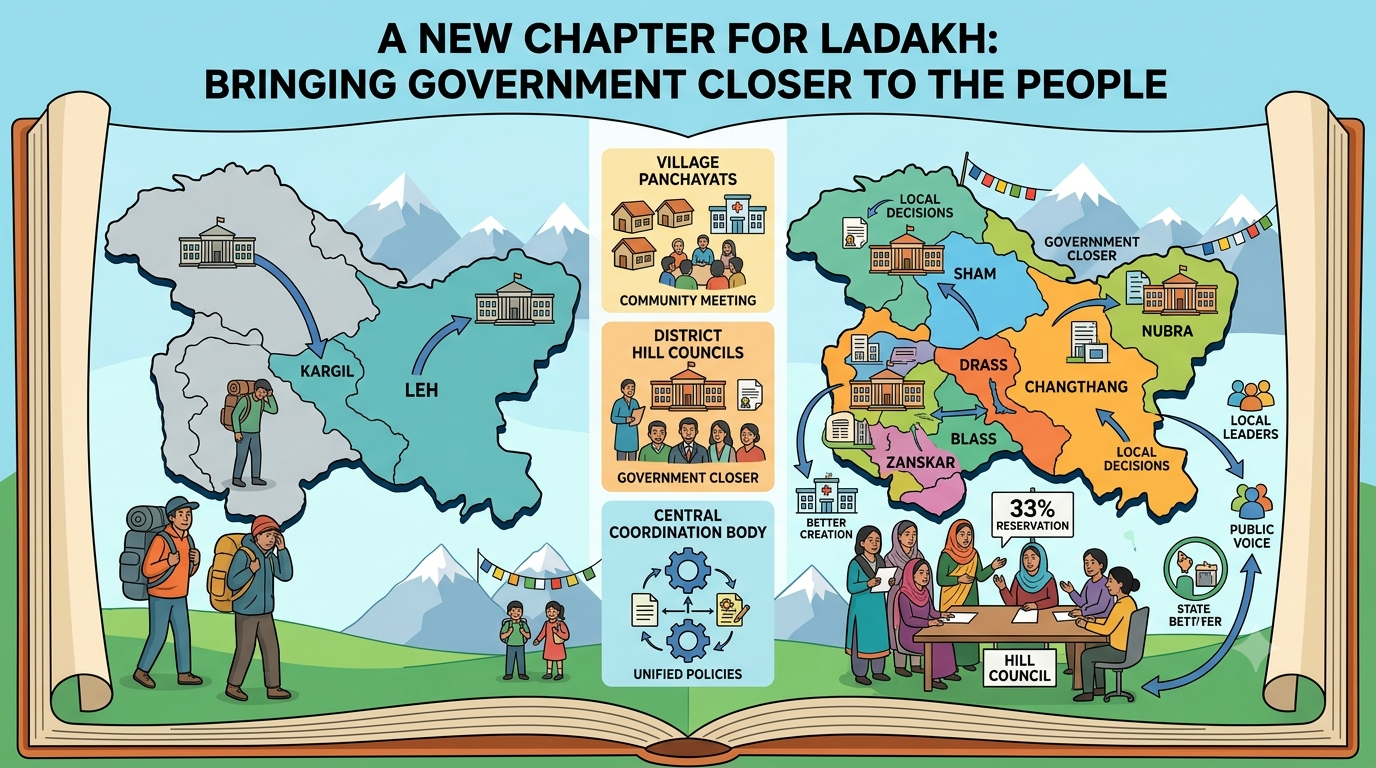


A New Chapter for Ladakh: Bringing Government Closer to the People

Ladakh is going through a massive and exciting change. For a long time, this huge and culturally rich region only had two main districts. Now, it is being expanded into seven districts. Even more importantly, each of these seven areas will get its own local decision-making body, known as a Hill Council. This means that … Read more

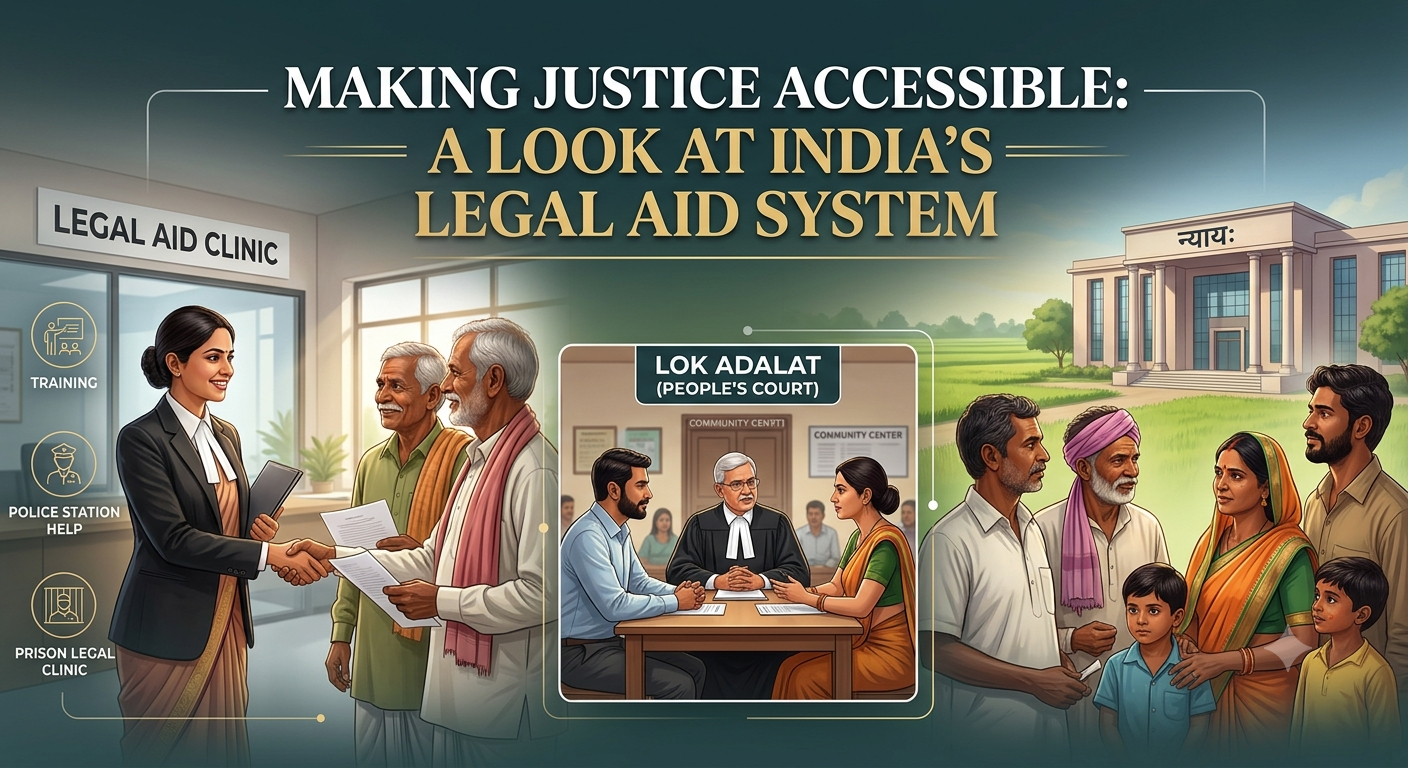
Making Justice Accessible: A Look at India’s Legal Aid System

India is the largest democracy in the world, and its Constitution promises equal rights and protection for everyone. However, in reality, problems like poverty, lack of education, and financial struggles stop many vulnerable people from getting the legal help they need. To solve this, the government created the Legal Services Authorities Act in 1987 to … Read more

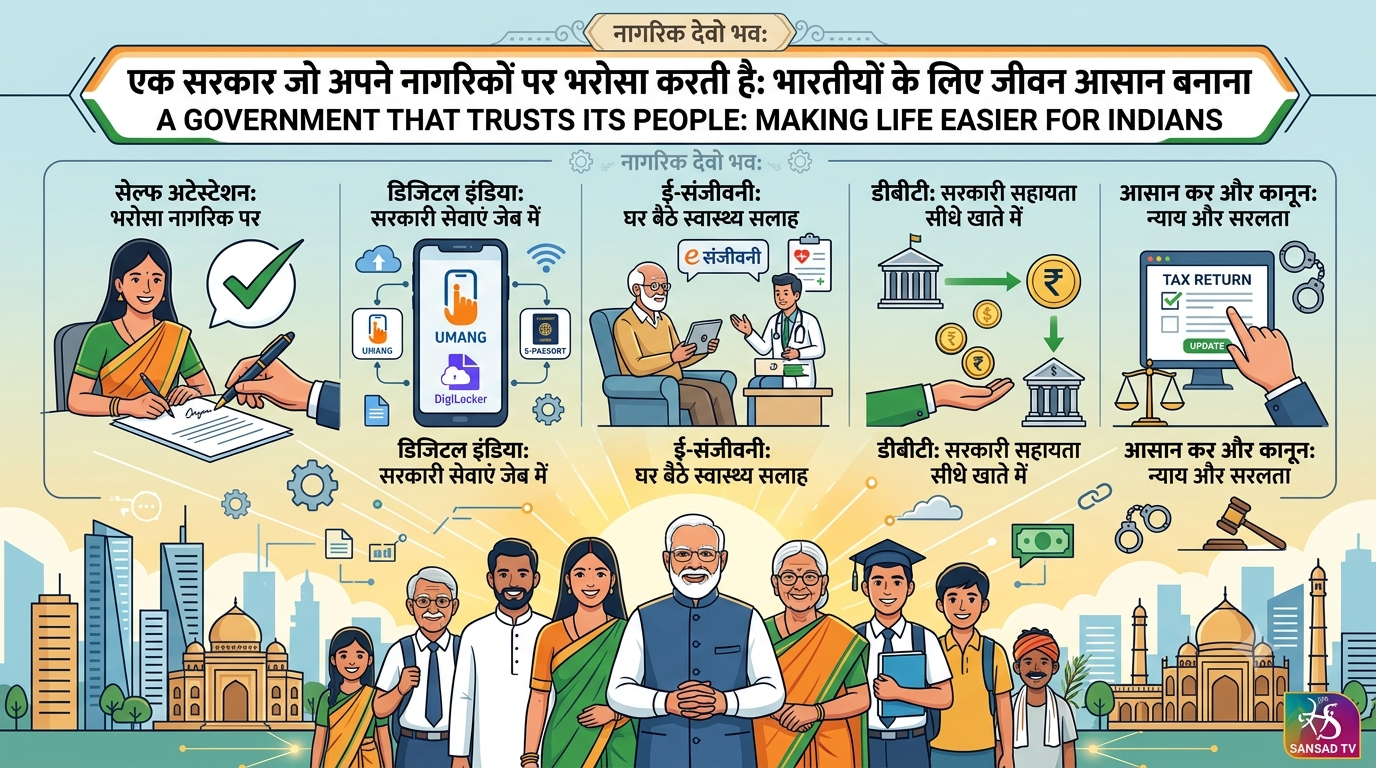
A Government that Trusts its People: Making Life Easier for Indians

In the past, dealing with government offices often meant waiting in long lines, dealing with endless paperwork, and constantly having to prove your honesty. Over the last 12 years, there has been a massive shift in how the system works. Instead of doubting citizens, the focus is now on trusting them and making services as … Read more

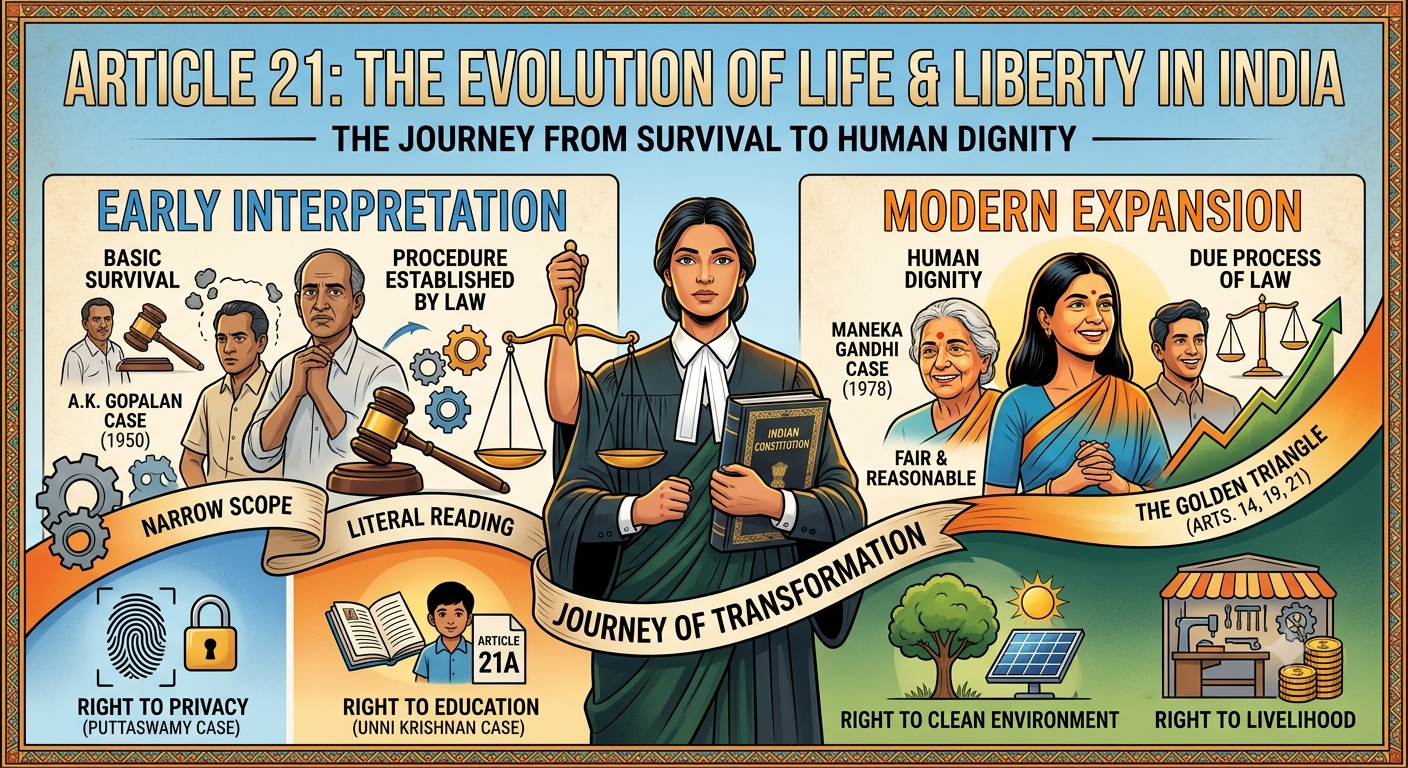
The Evolution of Article 21: Safeguarding Life and Liberty in India

A single, brief sentence in the Indian Constitution has grown into a vast shield protecting everything from an individual’s privacy and education to the air they breathe. This is Article 21, the cornerstone of human dignity in India. When the Constitution was first adopted in 1950, this provision was interpreted very narrowly. Today, thanks to … Read more

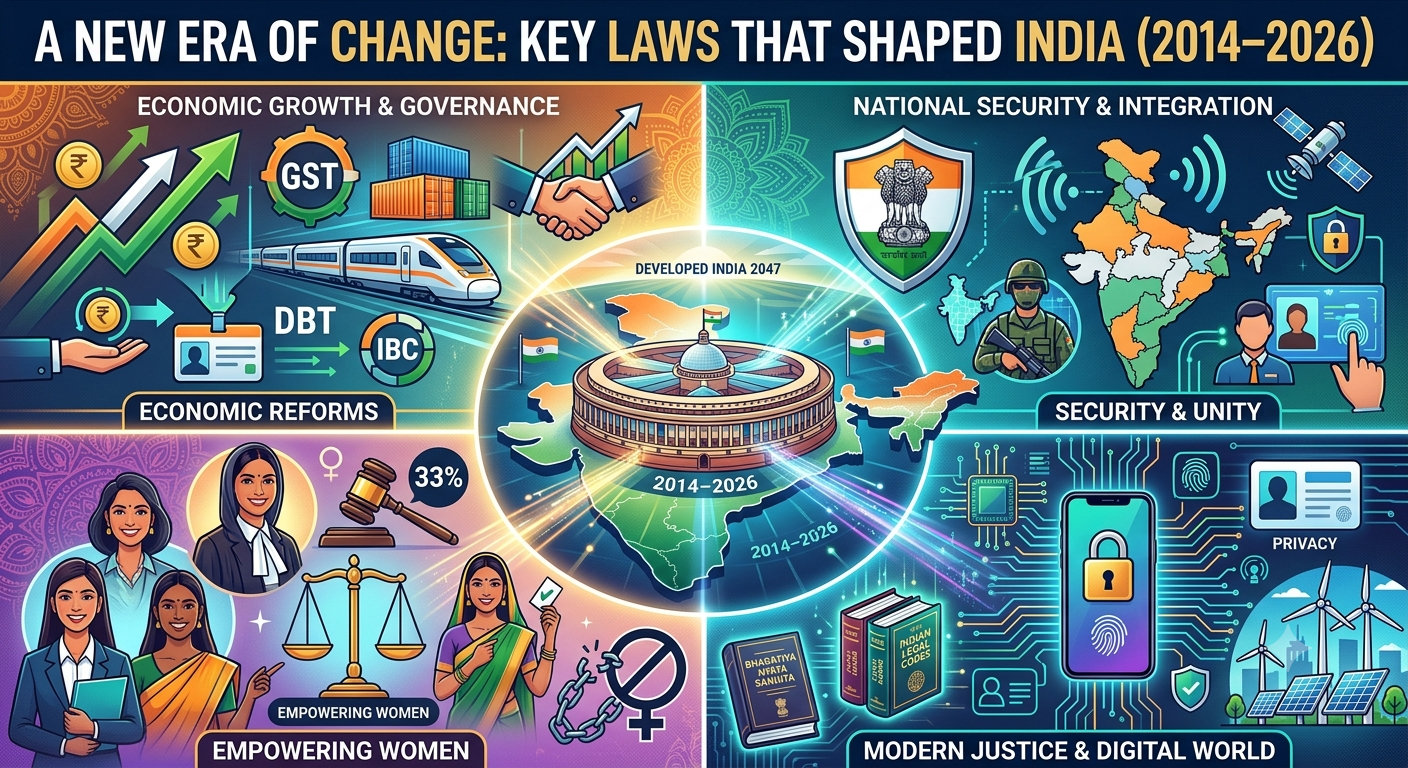
A New Era of Change: Key Laws that Shaped India (2014–2026)

Over the past 12 years, India’s Parliament has acted as a powerful engine for national transformation rather than just a law-making body. Between 2014 and 2026, lawmakers introduced sweeping changes that have redefined India’s economy, national security, digital landscape, and commitment to social justice. Here is a look at the major legislative milestones that are … Read more

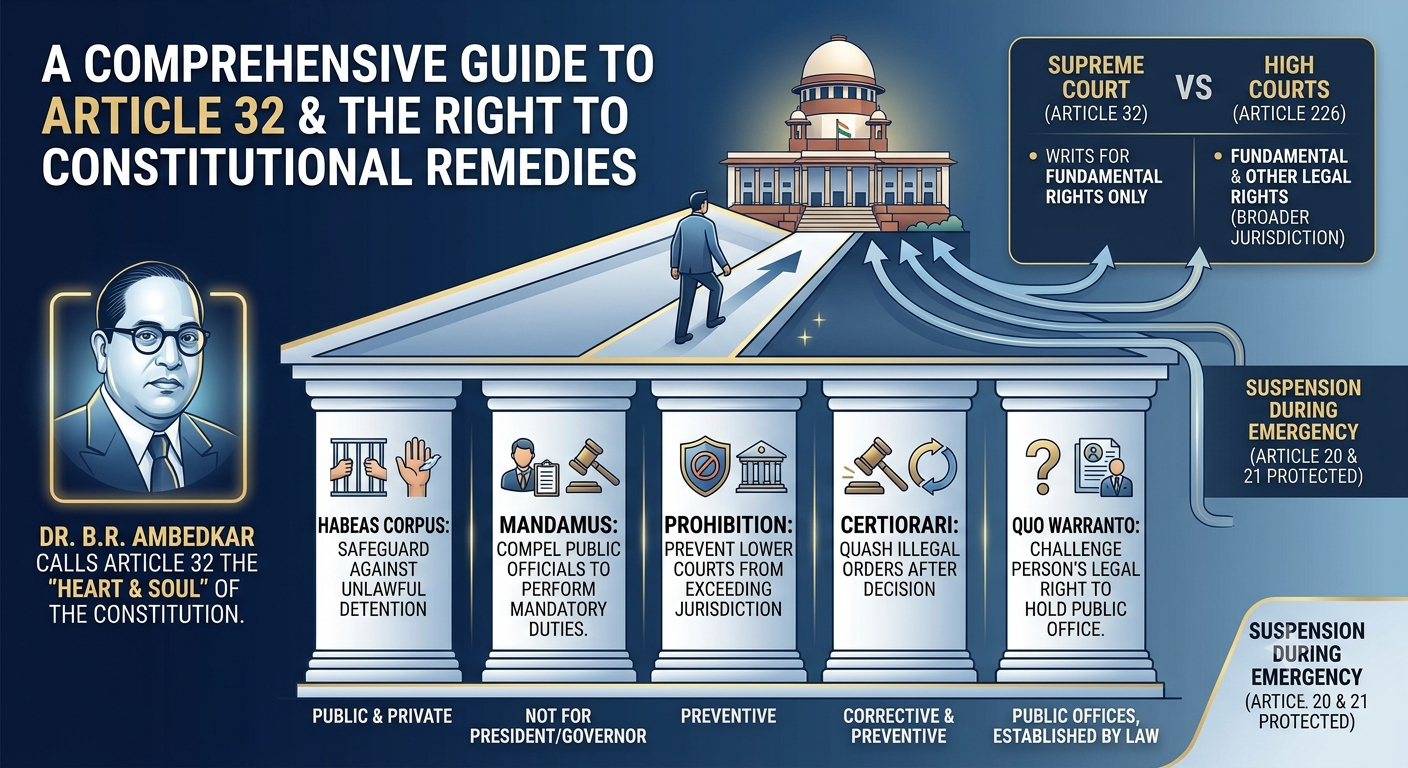
A Comprehensive Guide to Article 32 and the Right to Constitutional Remedies

Merely writing down a list of fundamental rights in a constitution is not enough; there must be a strong legal mechanism to enforce them. In India, this crucial safeguard is embedded in Article 32. Recognizing its profound importance, Dr. B.R. Ambedkar famously referred to it as the “heart and soul” of the Indian Constitution. Bypassing … Read more

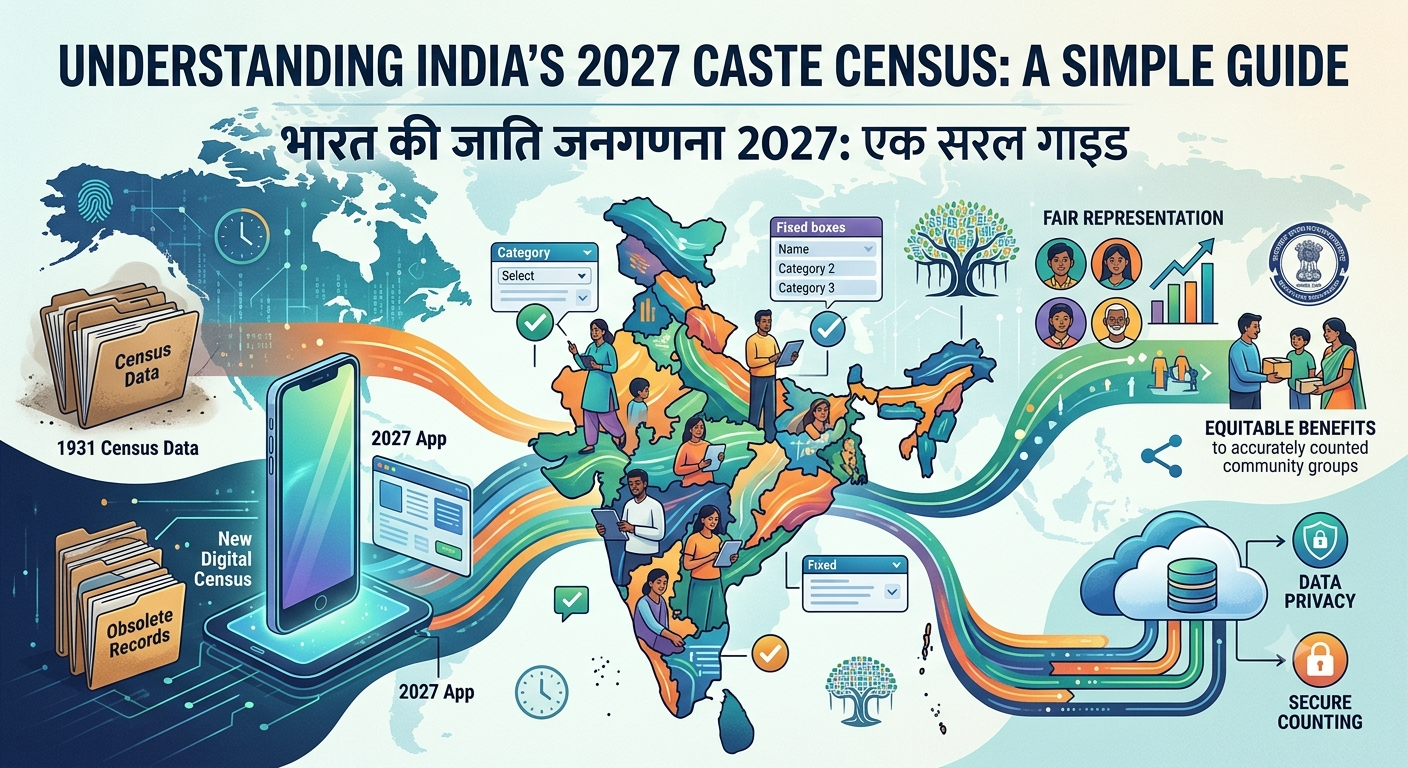
Understanding India’s 2027 Caste Census: A Simple Guide

India is gearing up for a major event in 2027: a full caste-based population count. This is a historic moment because the nation has not conducted a complete, official caste census since 1931, which was during British rule. Overall, this will be India’s 16th census, and its 8th since gaining independence. Why is a Caste … Read more

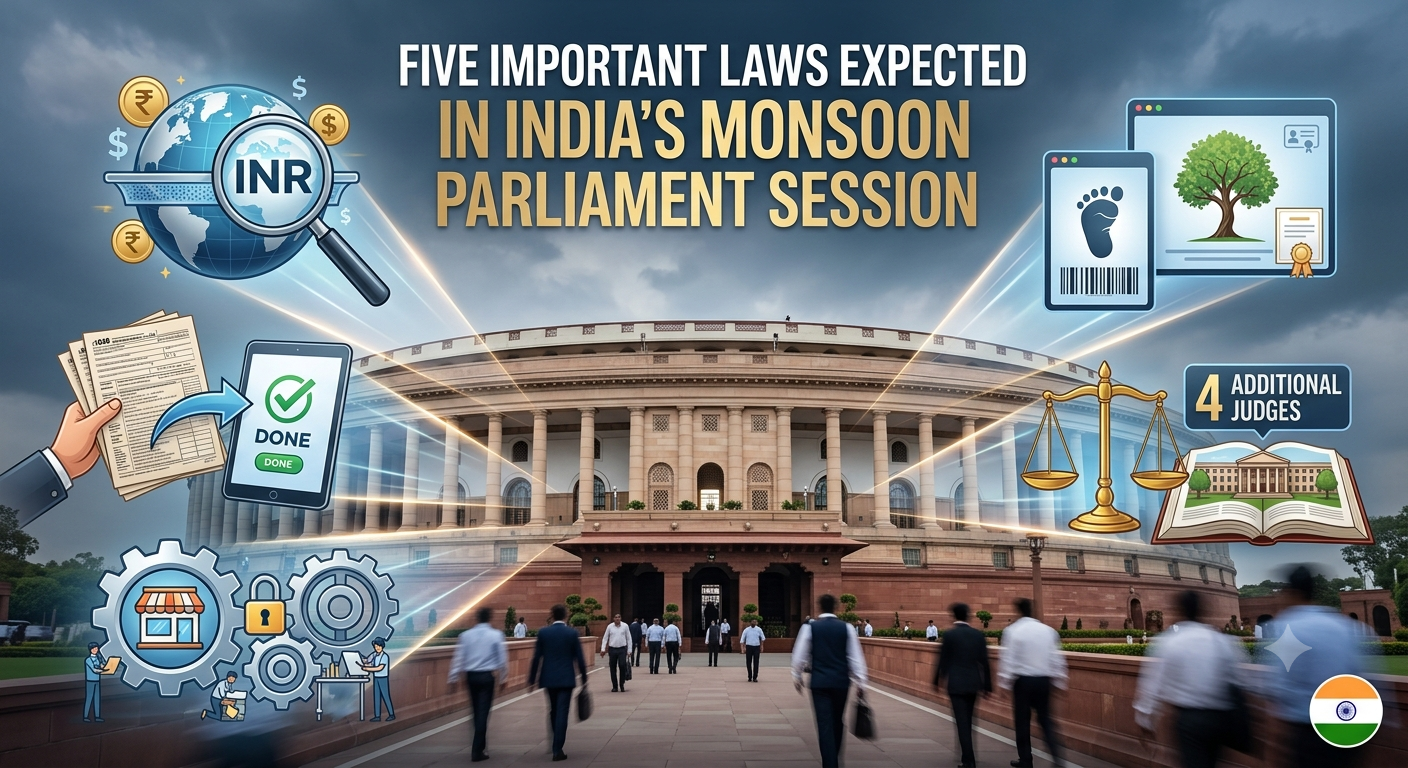
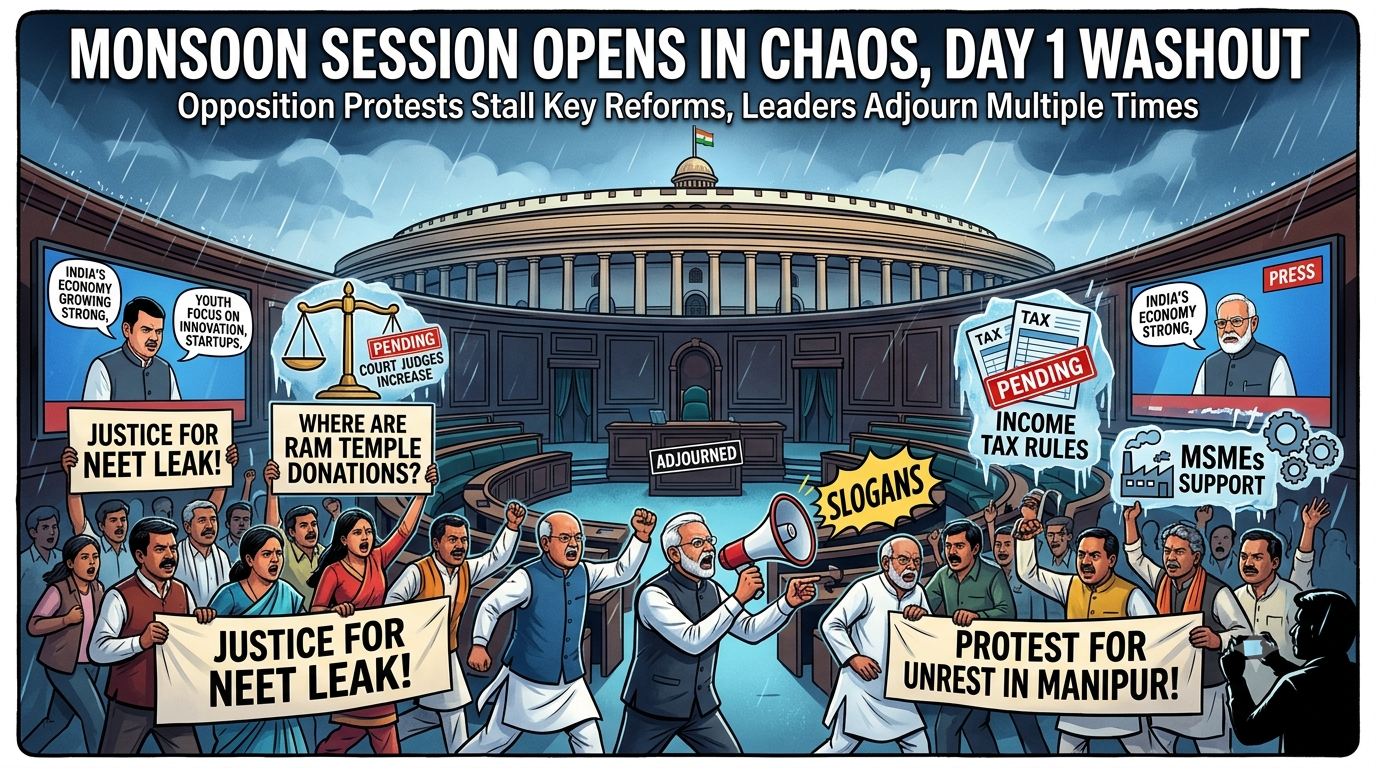
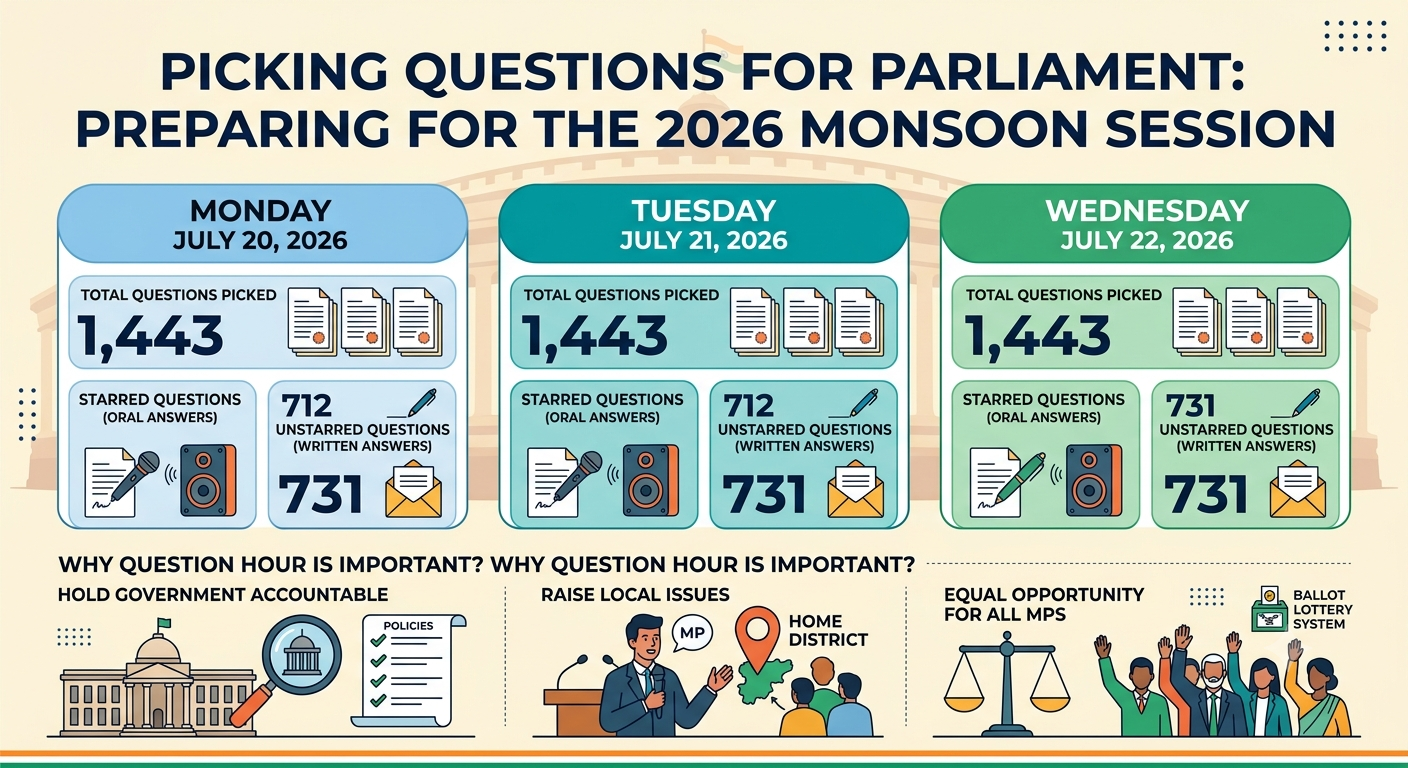
Picking Questions for Parliament: Preparing for the 2026 Monsoon Session

In India’s Parliament, the “Question Hour” is a very important time. It is the part of the day when Members of Parliament (MPs) get to ask the government direct questions. Because so many MPs want to ask questions, Parliament uses a fair lottery system—called the ballot process—to decide which questions will be answered. With the … Read more
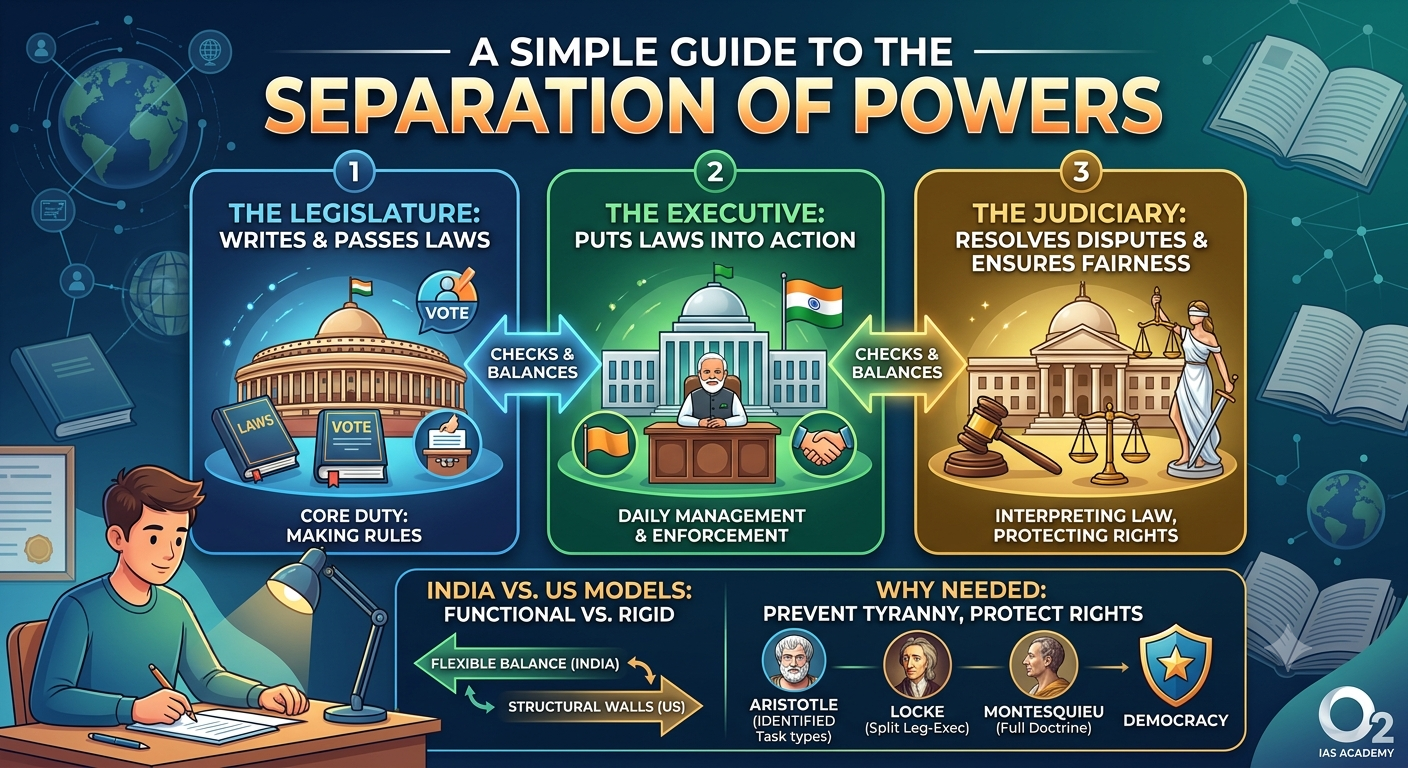
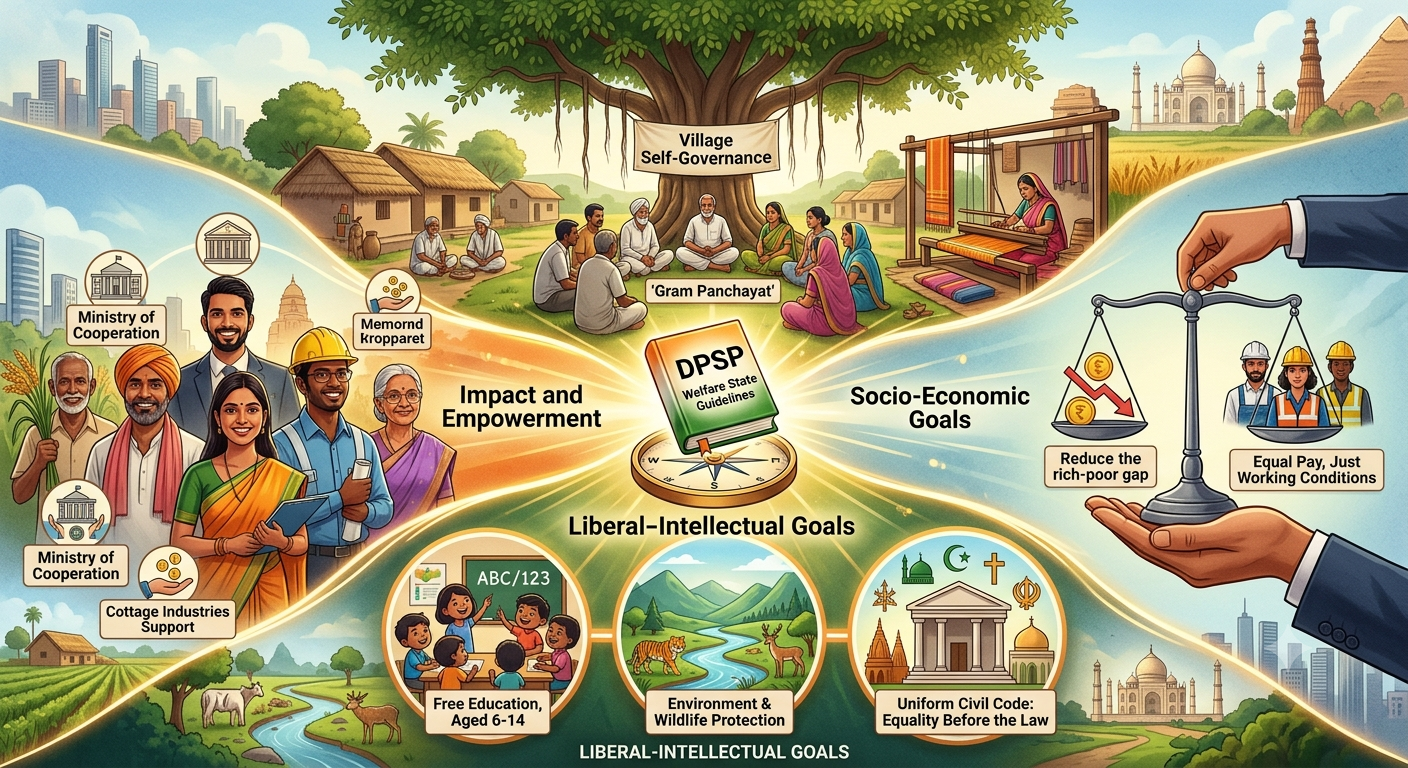
India’s Directive Principles of State Policy

When India wrote its Constitution, the creators included a special section called the Directive Principles of State Policy (DPSP). Inspired by the Constitution of Ireland, these principles act as a guidebook for the government. Their main goal is to help India become a “welfare state”—a country that works to ensure fairness, equality, and a good … Read more
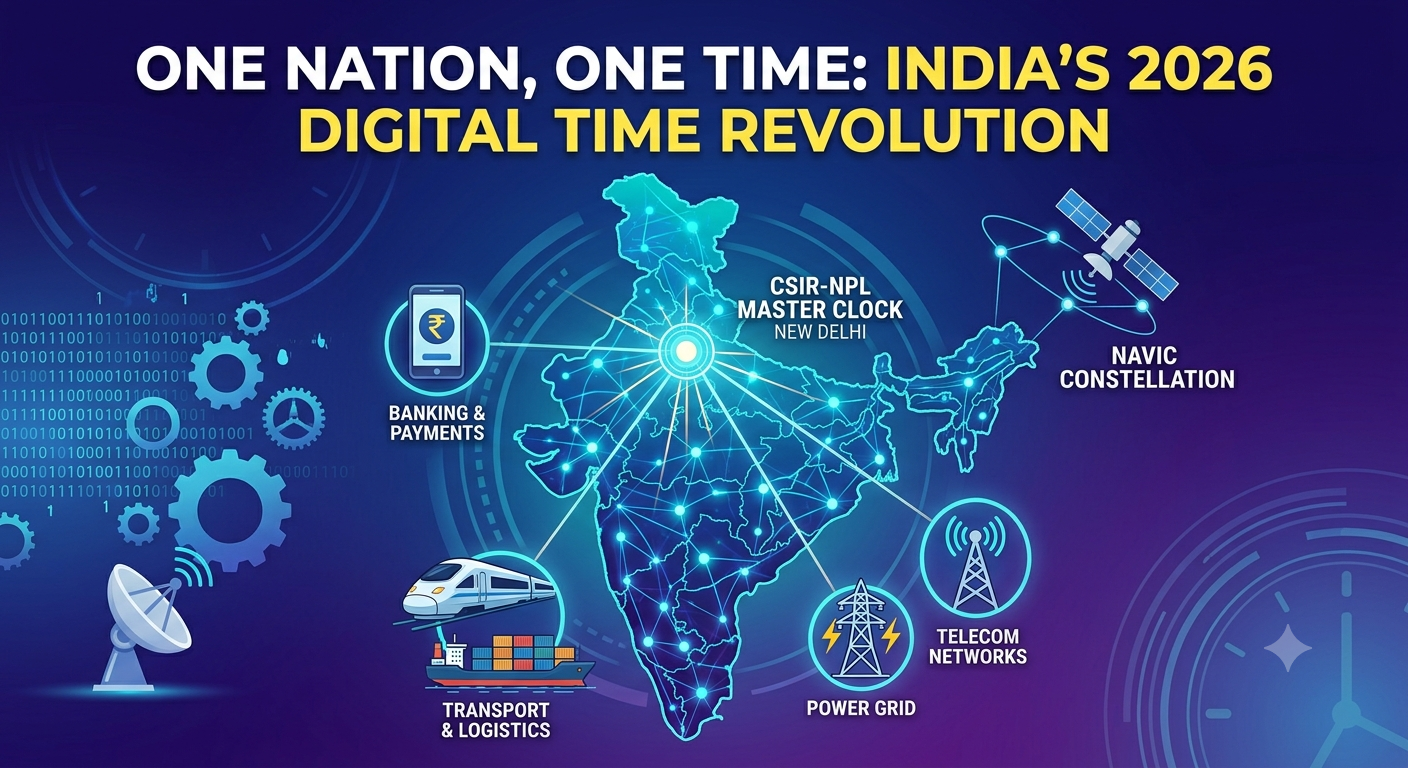
Owning Your Image: An Essential Guide to Personality Rights

Have you ever considered who legally “owns” your identity? If a brand decides to use your face or voice to market their latest product, what is stopping them? The legal shield protecting you is known as personality rights, frequently referred to as the right of publicity. This foundational concept ensures that individuals retain control over … Read more
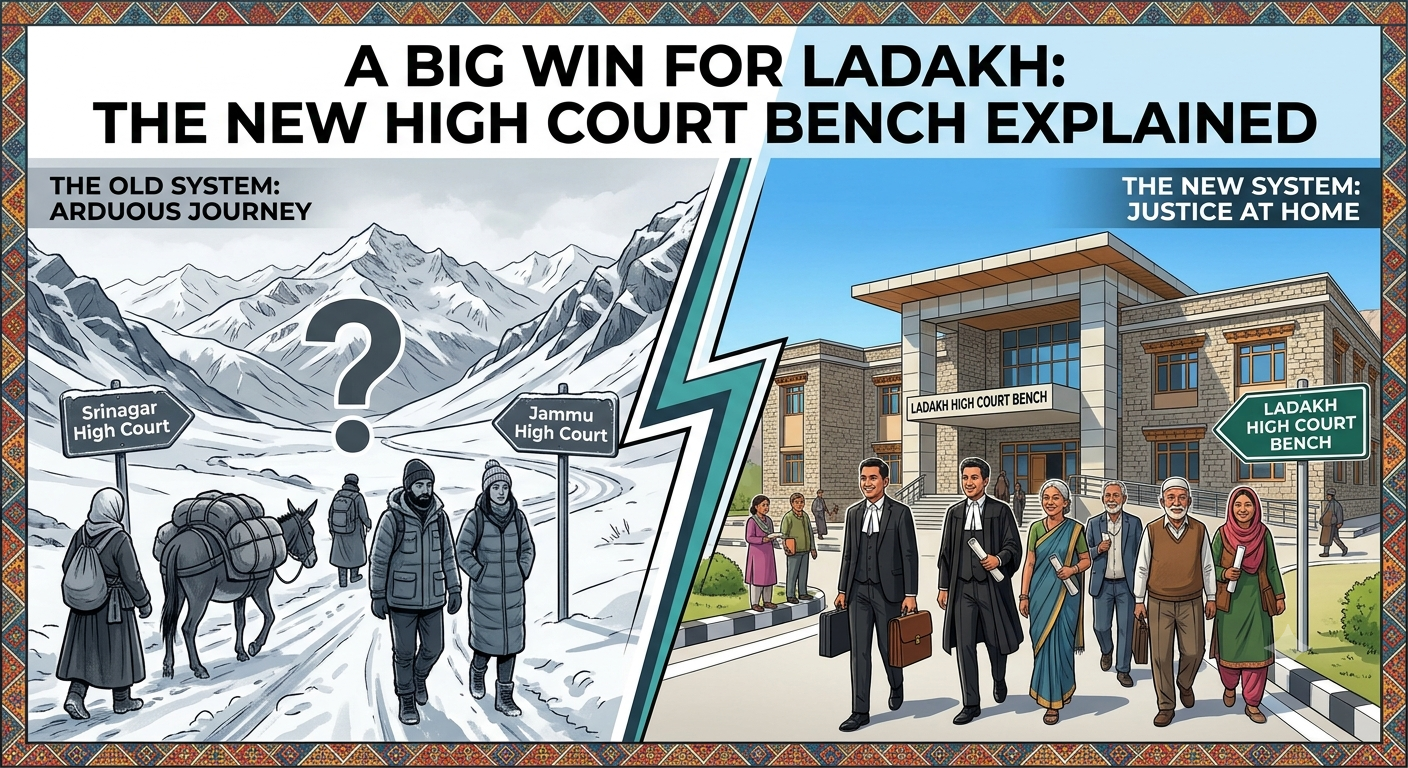
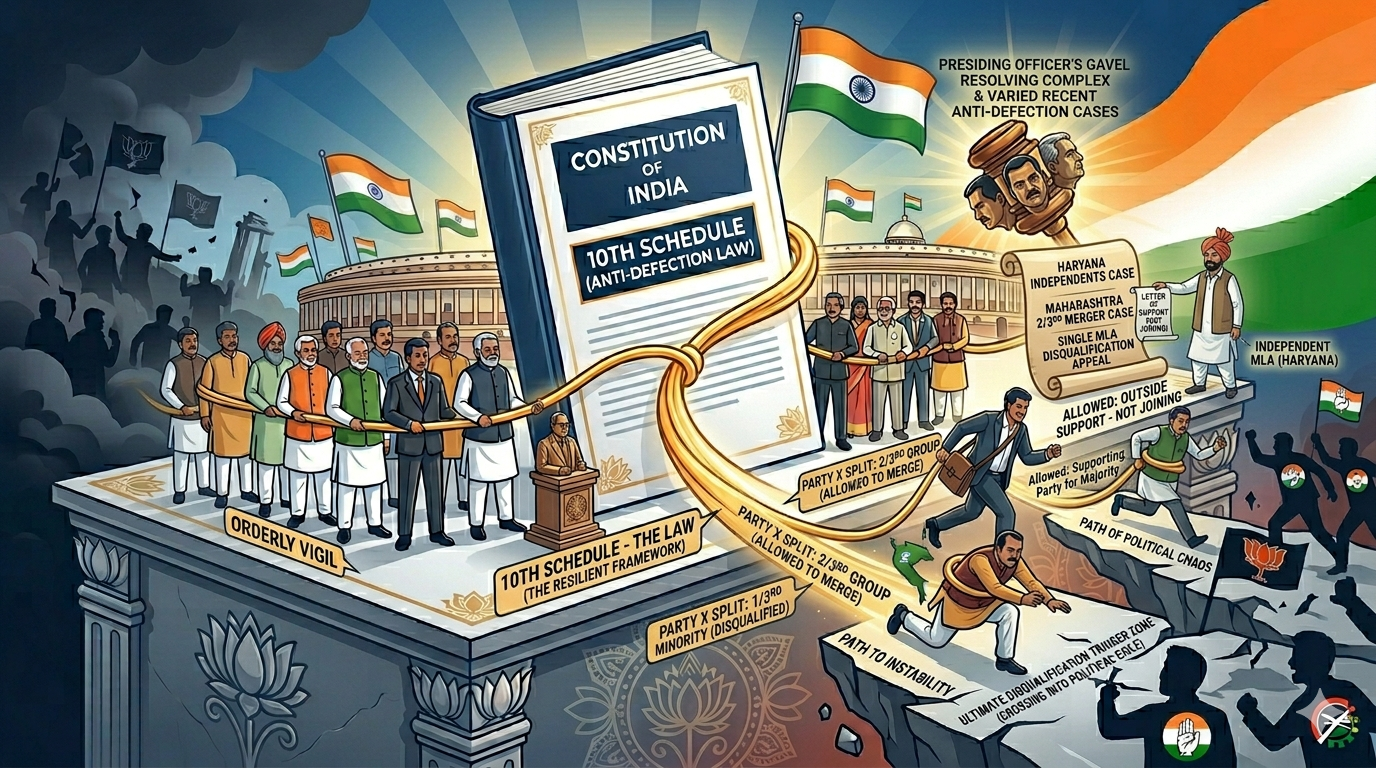
India’s Anti-Defection Law: Understanding the 10th Schedule

In a thriving democracy, the stability of the government is crucial. Historically, Indian politics faced significant challenges due to “horse-trading“—a practice where elected representatives would switch their political affiliations for financial incentives or lucrative cabinet positions. This volatile political culture, famously dubbed “Aaya Ram, Gaya Ram,” threatened the very foundation of democratic mandates. To curb … Read more
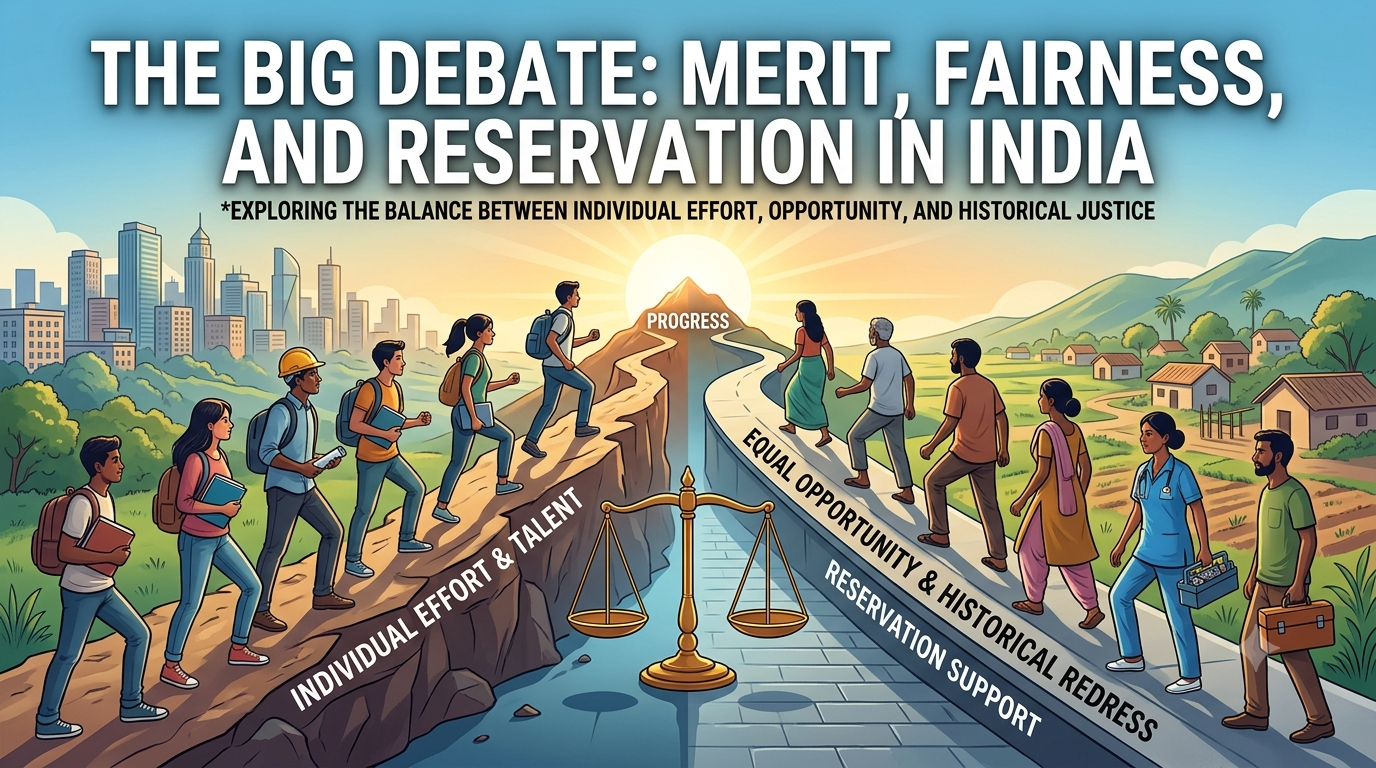
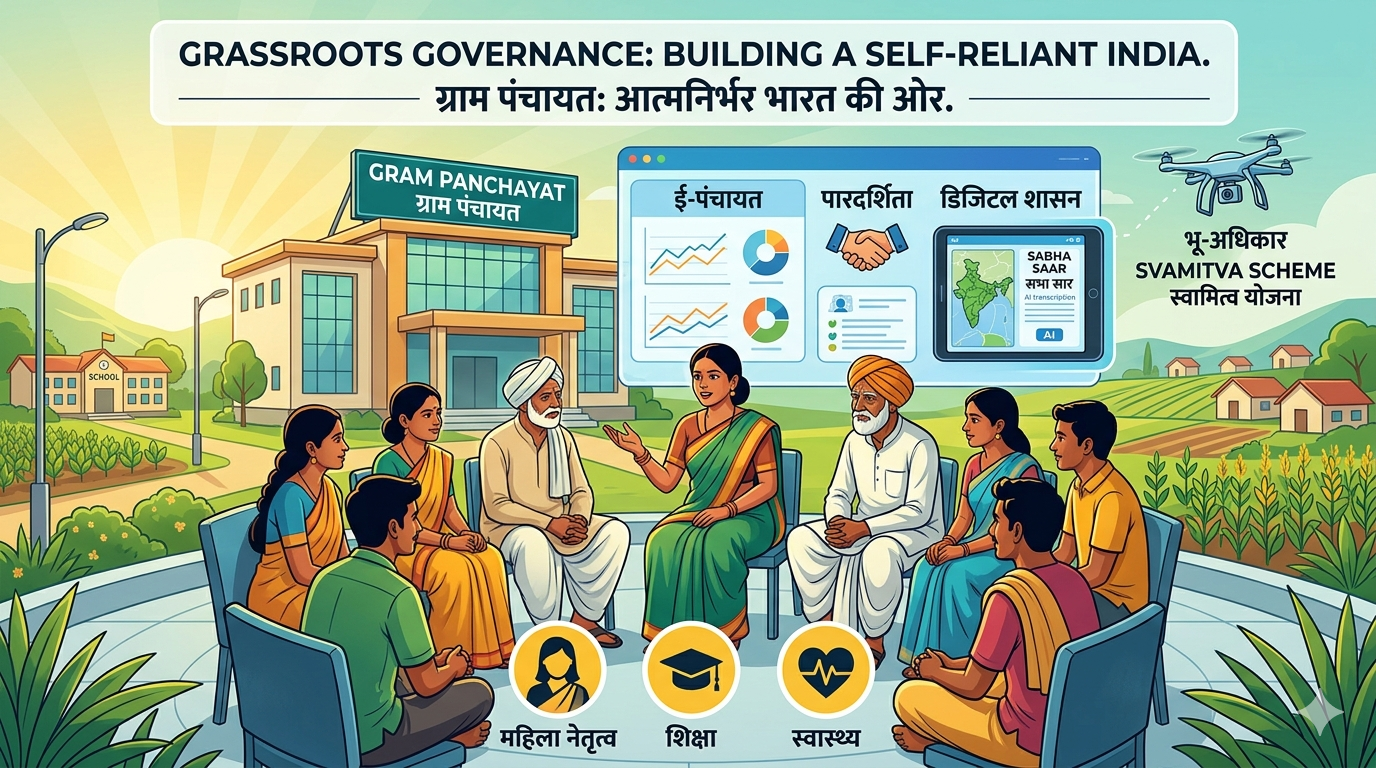
Grassroots Governance: How Panchayats are Building a Self-Reliant India

Local self-governance is the bedrock of the world’s largest democracy. Ever since the historic 73rd Constitutional Amendment formally decentralized power, India’s focus has increasingly shifted toward village-level administration. Today, as the nation works toward the goal of becoming a fully developed country by 2047, empowering Panchayati Raj Institutions (PRIs) is recognized as the most critical … Read more
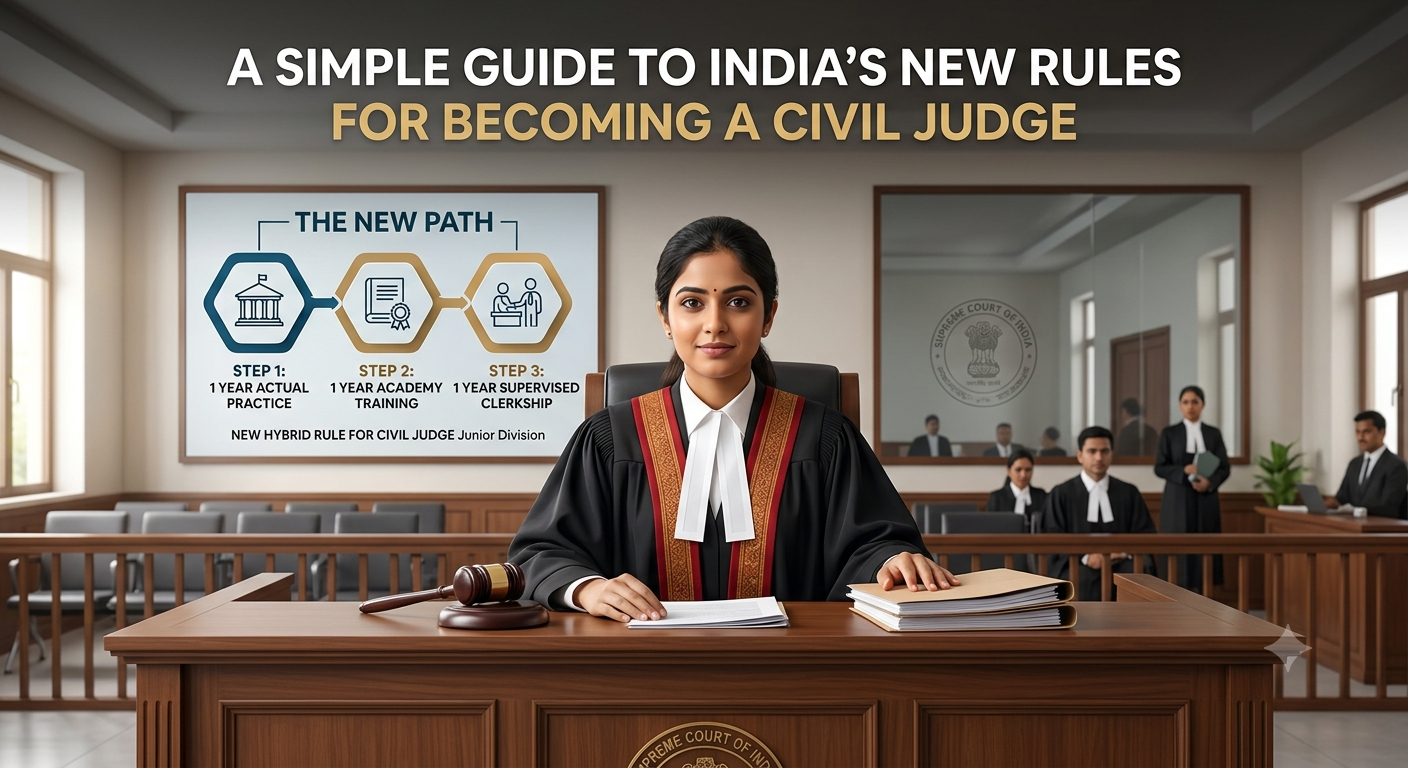
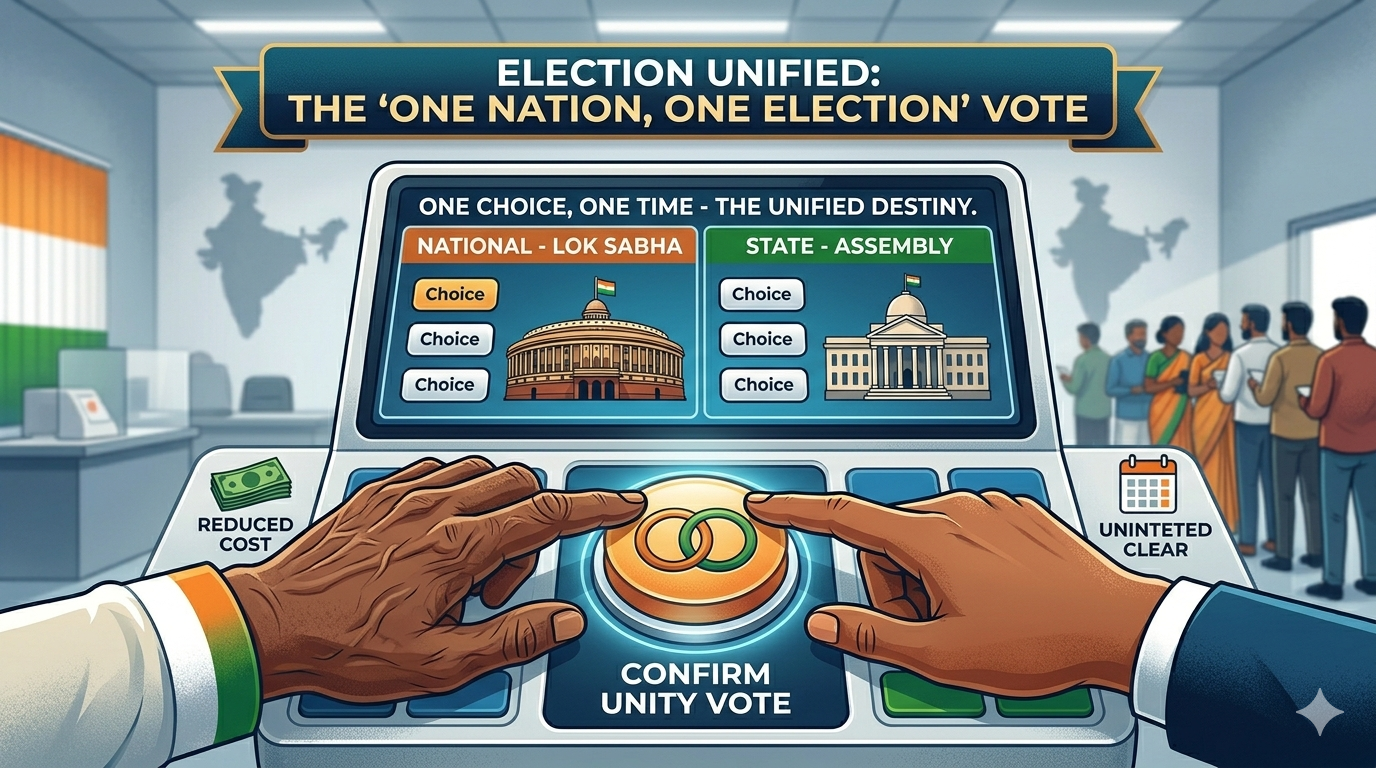
World’s Largest Democracy: A Look at ‘One Nation, One Election’

In India, the democratic process is a continuous, monumental exercise. Because state and national election cycles are currently staggered, the country finds itself in an almost perpetual state of campaigning. To address the fatigue and disruption this causes, policymakers are heavily debating a transformative shift: synchronizing the electoral calendar so that citizens vote for both … Read more
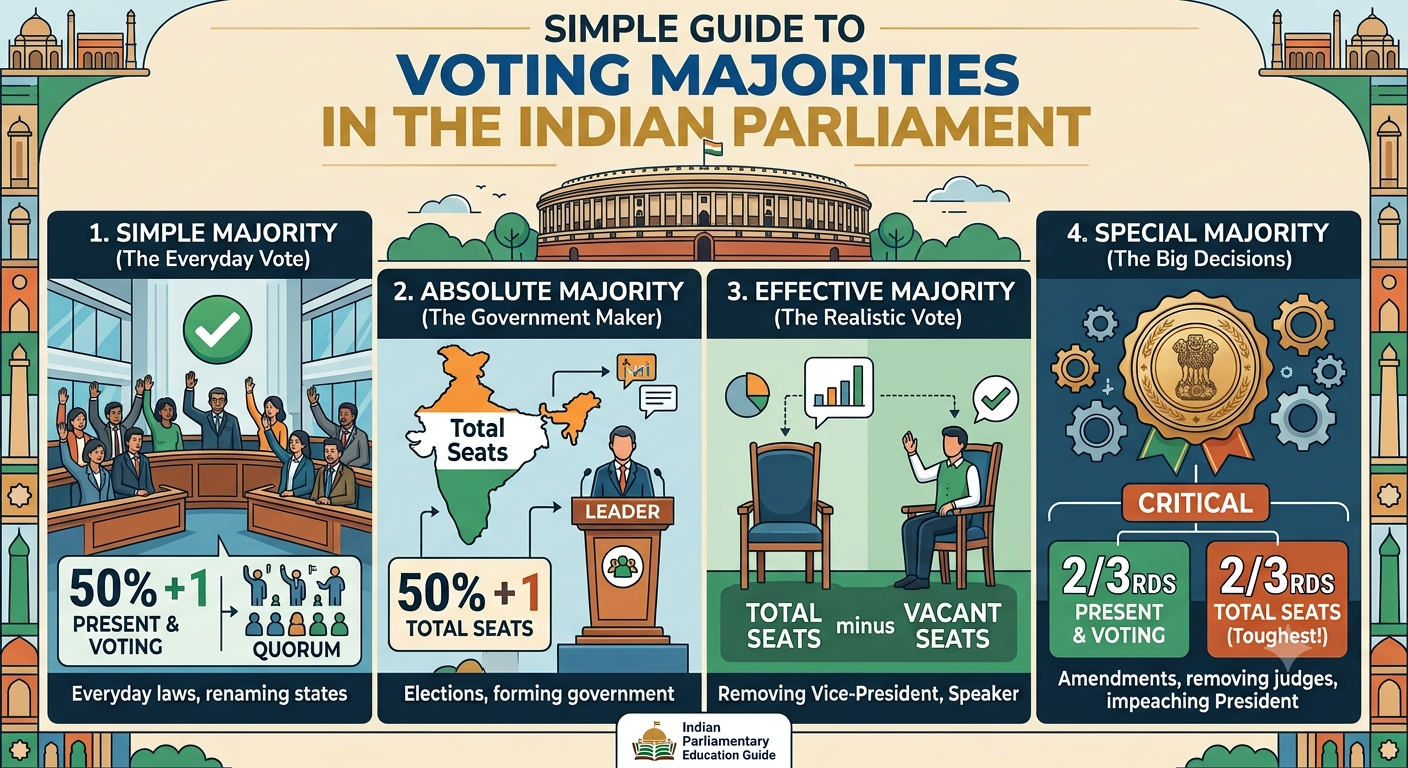
A New Era for Indian Gaming: Understanding the Upcoming Regulations

India’s digital entertainment sector is on the brink of a major regulatory overhaul. Effective May 1st, a comprehensive set of national directives will redefine how digital games are categorized, operated, and consumed across the country. Here is an overview of the shifting landscape, the reasons behind the changes, and what gamers and developers can expect … Read more
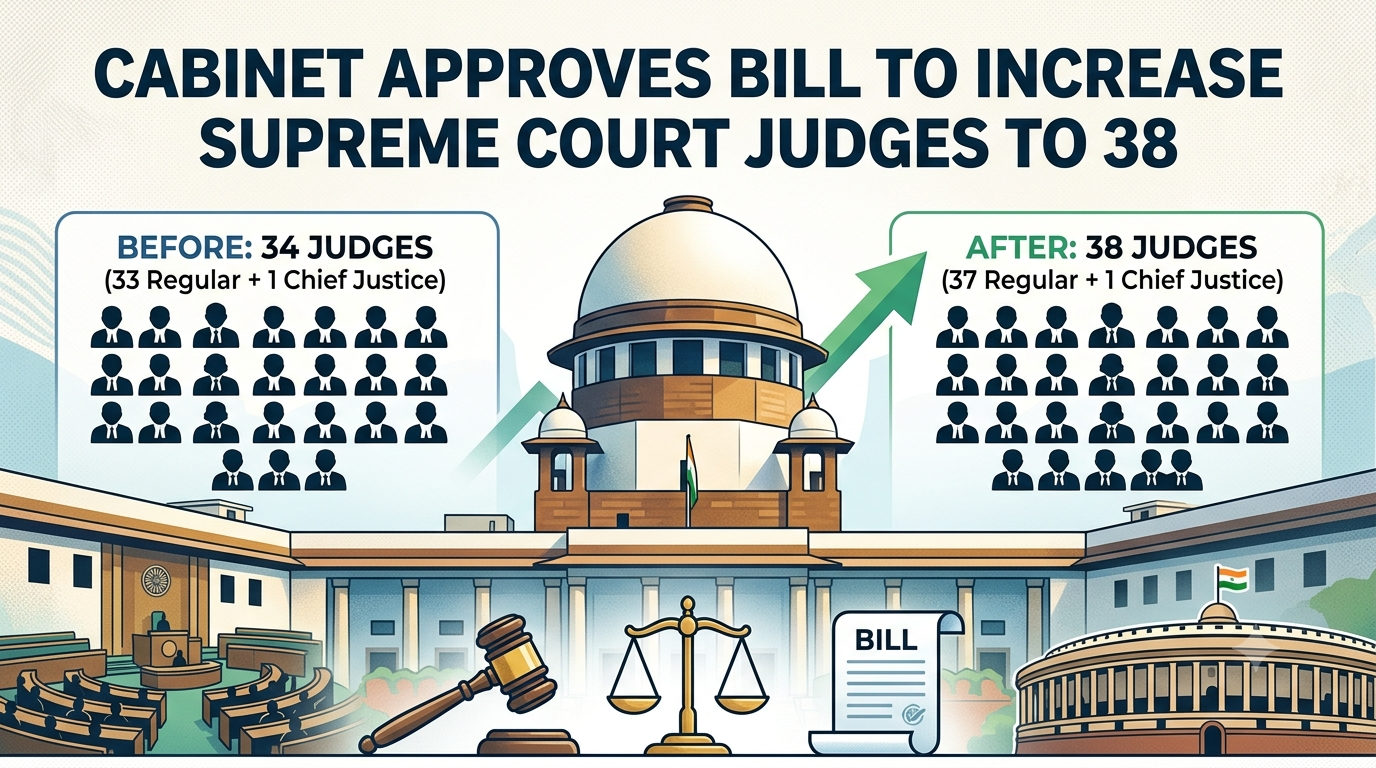
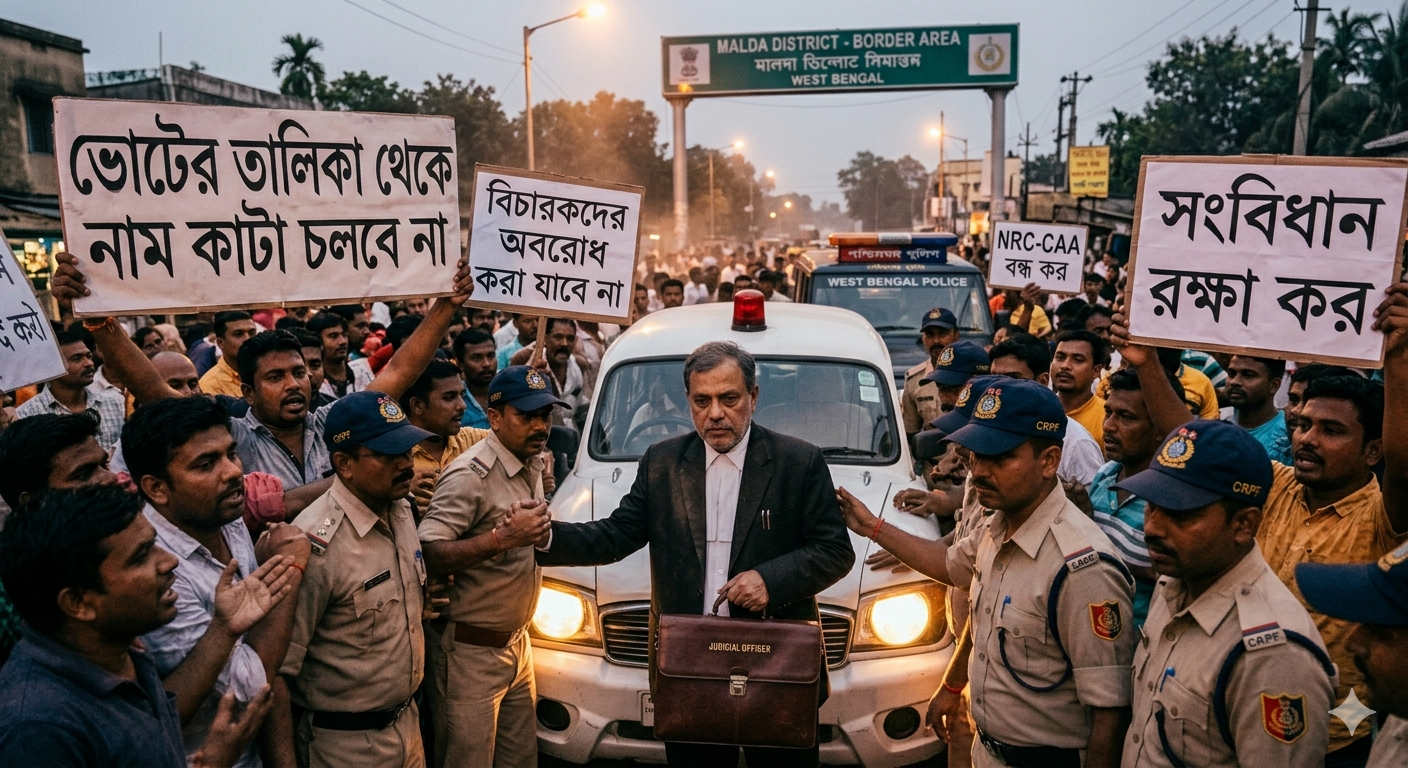
Supreme Court Reprimands West Bengal Government Over Severe Law & Order Lapses
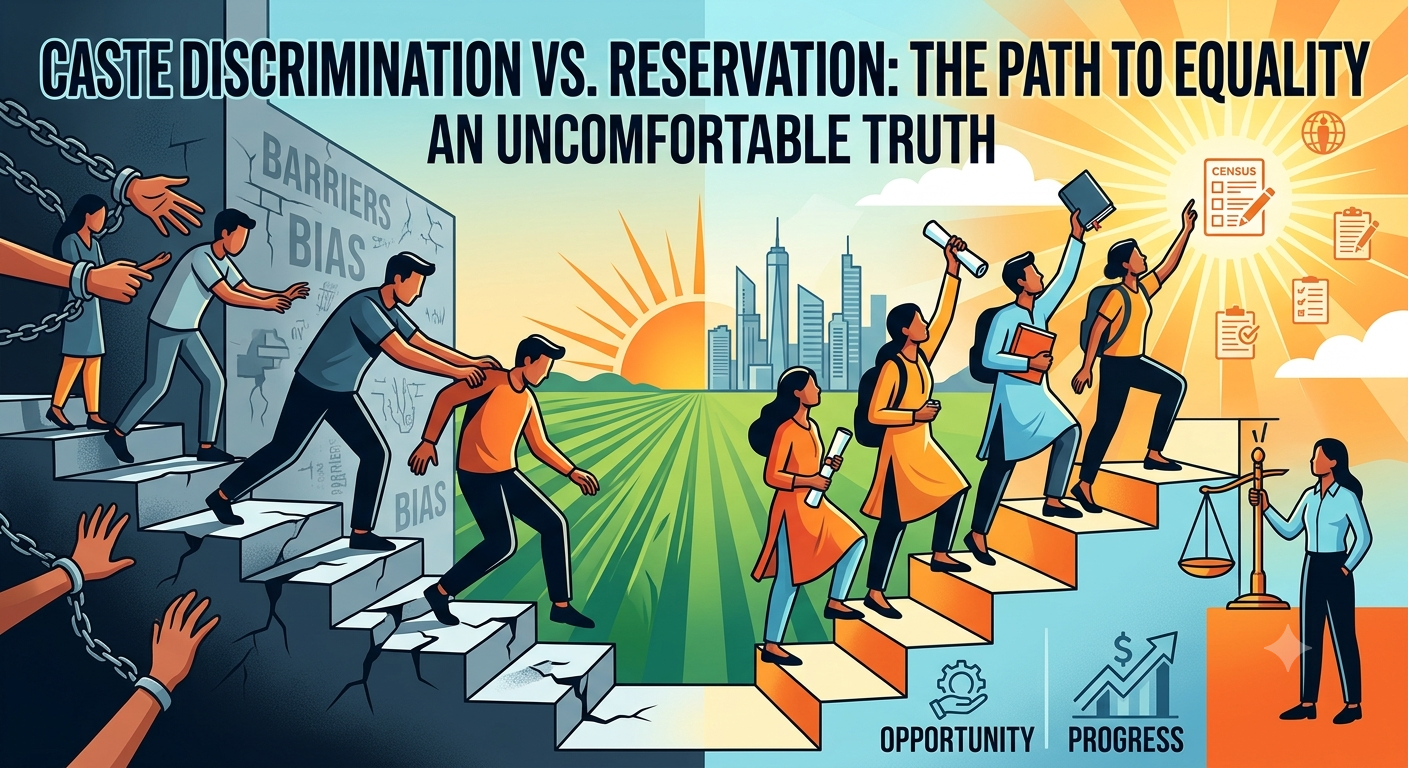
A robust law and order system is the bedrock of any functioning democracy. However, recent events in West Bengal have raised serious constitutional alarms. The Supreme Court of India recently directed sharp criticism at the Mamata Banerjee-led administration, pointing to a “complete breakdown of law and order” following a shocking incident involving the intimidation and … Read more