




Introduction
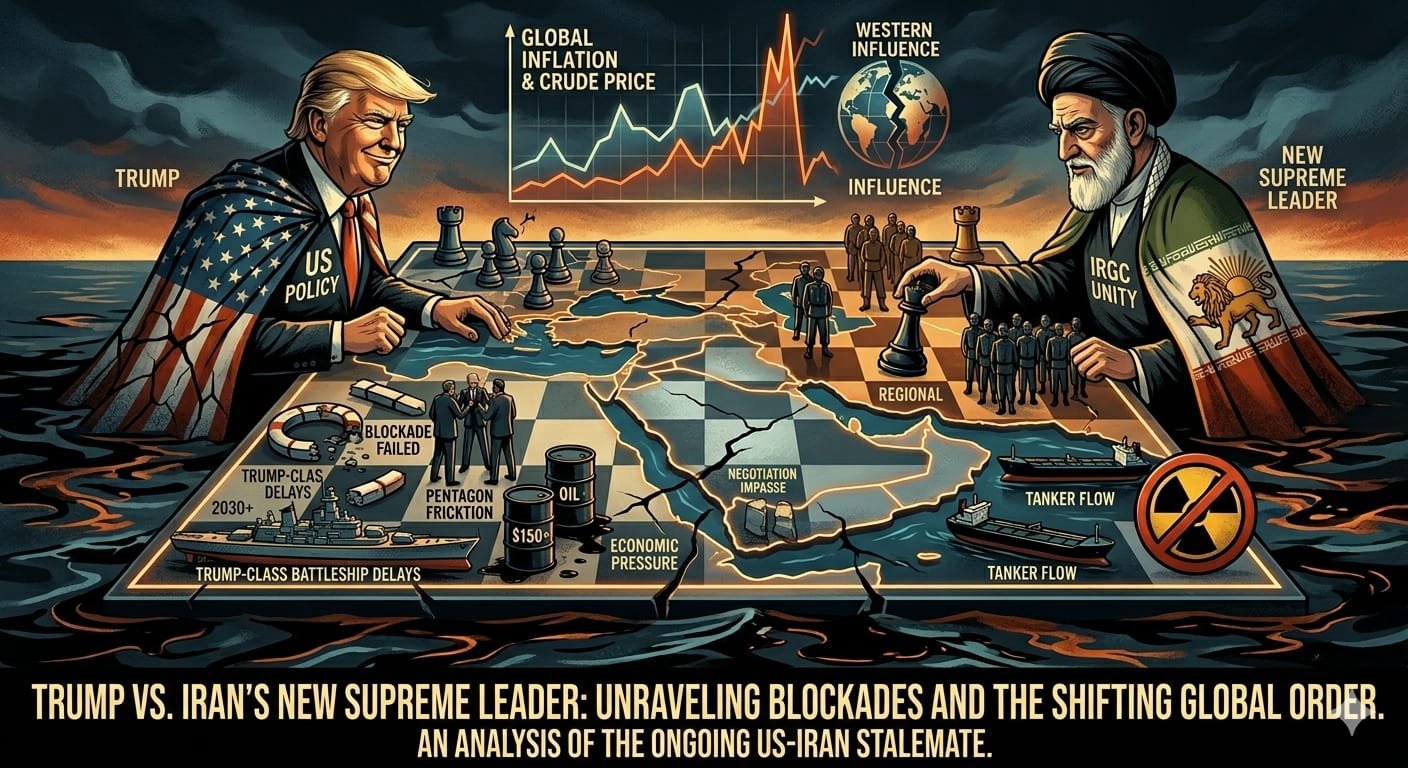
The diplomatic and military posturing between Washington and Tehran has seen a remarkable pivot in recent weeks. Initially demanding total capitulation, the current US administration is now actively seeking a diplomatic off-ramp. After months of strategic friction, maritime blockades, and a lack of decisive military victories, the United States finds itself navigating a severely restricted set of options.
The Lebanon Prerequisite
A primary hurdle in bringing Tehran to the negotiation table was the ongoing military campaign in Lebanon. In an effort to facilitate talks, Washington recently managed to broker a temporary, three-week cessation of hostilities. However, this truce contains a significant caveat: it permits localized, targeted operations. Consequently, covert and surgical military engagements continue, keeping the region on edge and leaving Iran skeptical of the agreement’s weight.
Maritime Tensions and Economic Ripples
The economic epicenter of this standoff lies in the Strait of Hormuz. Tehran’s early move to obstruct this vital maritime artery has sent shockwaves through the global economy, inflating the costs of crude oil, agricultural fertilizers, and manufacturing materials.
In an attempt to regain control, the US initiated a counter-blockade to cut off Iranian maritime trade. Yet, logistical and tactical challenges have undermined this effort. Independent maritime monitors have noted that dozens of commercial tankers have successfully bypassed the American naval net by disabling their tracking systems and slipping through the Persian Gulf undetected.
Friction Within the Pentagon
Complicating matters for the US is a wave of internal administrative turbulence. The defense sector has seen significant turnover, highlighted by the recent dismissal of the Secretary of the Navy. Reports indicate this firing was rooted in disagreements over naval procurement timelines, specifically the realization that new, heavily requested battleship classes would not be available for several years. This incident is part of a broader shakeup within the military brass, revealing a disconnect between political expectations and logistical realities.
The Battle of Narratives
Alongside the physical standoff, a severe information war is underway. Washington has promoted a narrative suggesting that Iran’s supreme leadership is incapacitated and that the government is fracturing under the weight of internal divisions between hardline and moderate factions. Tehran, however, has countered this psychological warfare with swift, synchronized statements from its top officials, projecting absolute governmental unity to the international community.
A Narrowing Path Forward
Faced with mounting financial costs and a lack of tangible progress, the US administration is weighing a few remaining—and deeply flawed—strategies:
Coastal Engagements: Striking coastal defenses and maritime assets. This is considered highly dangerous, as the defending missile batteries remain largely operational and pose a severe threat to incoming vessels.
Targeting Infrastructure: Attacking civilian energy grids. This carries the highest risk of massive escalation. Retaliatory strikes on neighboring allied oil facilities could push global crude prices to catastrophic levels, potentially triggering a worldwide economic downturn.
High-Profile Targeting: Continuing the assassination of key leaders. Having already eliminated dozens of figures to little strategic effect, further strikes would likely permanently close the door on any diplomatic resolution.
The Waiting Game: Pausing to negotiate. While the safest immediate route, time is a luxury. Rising domestic inflation and the looming pressure of midterm elections make a prolonged stalemate politically dangerous for the current administration.
Conclusion
With extreme measures—such as the deployment of nuclear assets—firmly ruled out by the administration, a quiet diplomatic retreat seems politically unpalatable due to the optics of defeat. Geopolitical analysts suggest the most likely endgame may involve a highly visible, performative military strike. Such an action would allow the administration to unilaterally declare a strategic victory and save face domestically, ultimately leaving the region locked in an uneasy stalemate.