




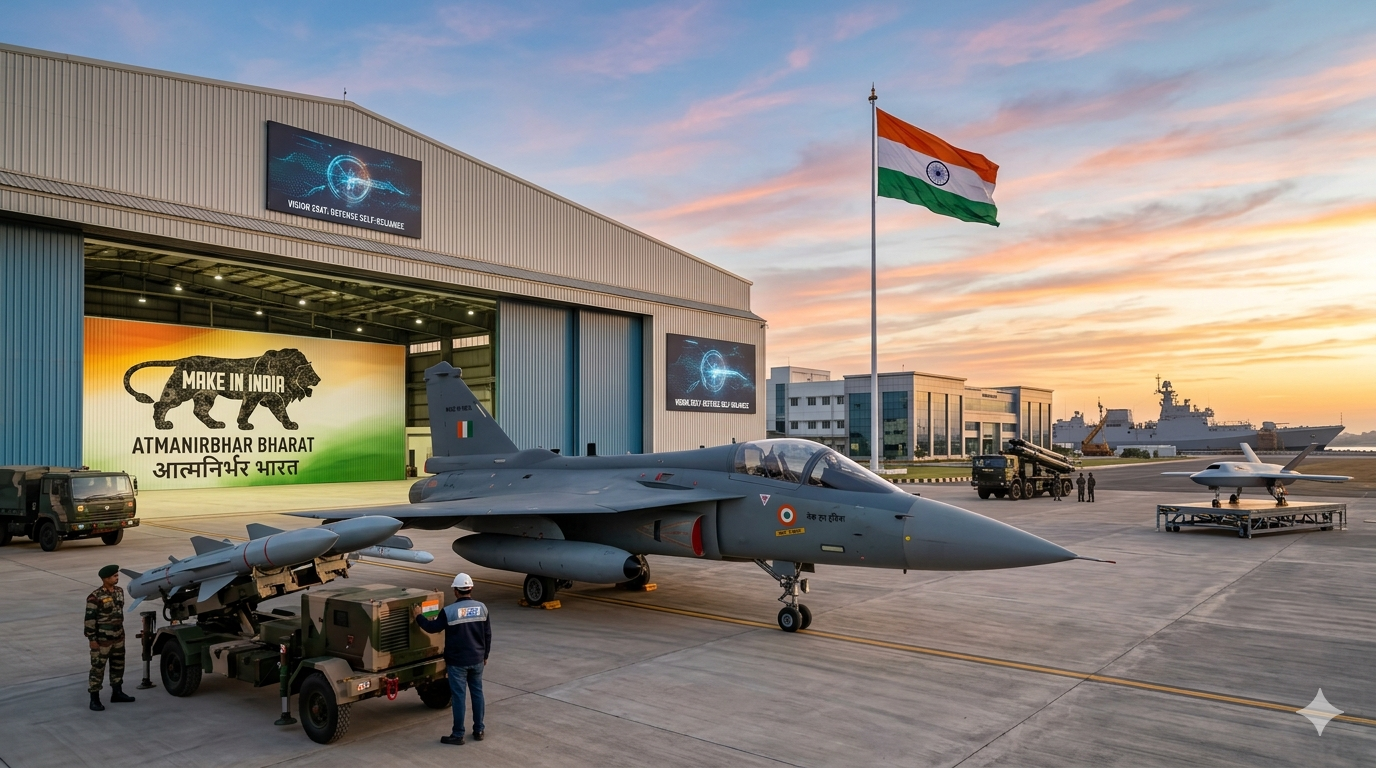
A few years after the initial call for a self-reliant economy during global disruptions, significant structural reforms have taken root across multiple sectors. Driven by a robust initial economic package, this vision aimed to fortify the economy, infrastructure, and demand. The most striking transformation arising from this initiative has been the revitalization of the domestic defense manufacturing ecosystem.
Reversing the Trend: From Import Dependency to Domestic Strength
Historically, defense capabilities were heavily reliant on foreign imports, with a vast majority of military requirements sourced externally. That dynamic has experienced a remarkable reversal, and now a significant portion of defense equipment is manufactured domestically.
This domestic expansion is reflected in the numbers, with production volumes expanding multiple times over the last decade and reaching record highs. The government continues to set ambitious targets to double these production figures in the coming years.
This surge in domestic manufacturing has also translated into increased export success. Defense exports have seen substantial growth, placing the nation on track to achieve its long-term export targets well ahead of schedule.
Empowering the Private Sector and Innovators
A major catalyst for this progress has been the implementation of continuous policy reforms that have opened the sector to private industry and encouraged innovation. The defense landscape has evolved beyond the exclusive domain of large legacy corporations.
Thousands of startups and MSMEs are now actively participating, bringing technological advancements and agility to the sector. This broad-based participation has fostered a vibrant, technology-driven ecosystem, ensuring the nation remains competitive in modern military affairs.
Strategic Autonomy and Operational Success
Building self-reliance goes beyond economic metrics; it is the foundation of strategic autonomy. In a complex and volatile global environment characterized by diverse security challenges, indigenous capability is critical for national defense.
The effectiveness of this domestic push has been validated in recent operational scenarios, where “Make in India” equipment and firepower were successfully utilized. The ability to integrate conventional systems to counter modern threats, such as drones, demonstrates the growing competence of the domestic industry to meet real-time operational needs.
Navigating the Future: Overcoming Technological Gaps
Despite this historic progress, substantial challenges lie ahead. To achieve true self-reliance, the nation must address critical gaps in advanced technologies. The indigenous development of complex systems like jet engines and advanced semiconductor chips remains a priority. Additionally, securing access to critical minerals and materials is essential to sustain long-term manufacturing autonomy.
Overcoming these deep-tech hurdles will require a comprehensive, collaborative approach. By fostering strong partnerships between the public sector, private industry, research organizations, and academic institutions, the nation can unlock its full innovative potential.
As the journey continues toward a fully developed and secure future, total self-reliance in defense stands as an absolute necessity for maintaining strategic autonomy and securing a strong position on the global stage.