



Major US Political Shift: Recent US midterm elections resulted in a significant setback for the incumbent administration, with the opposing political party securing majority control in both houses of Congress.
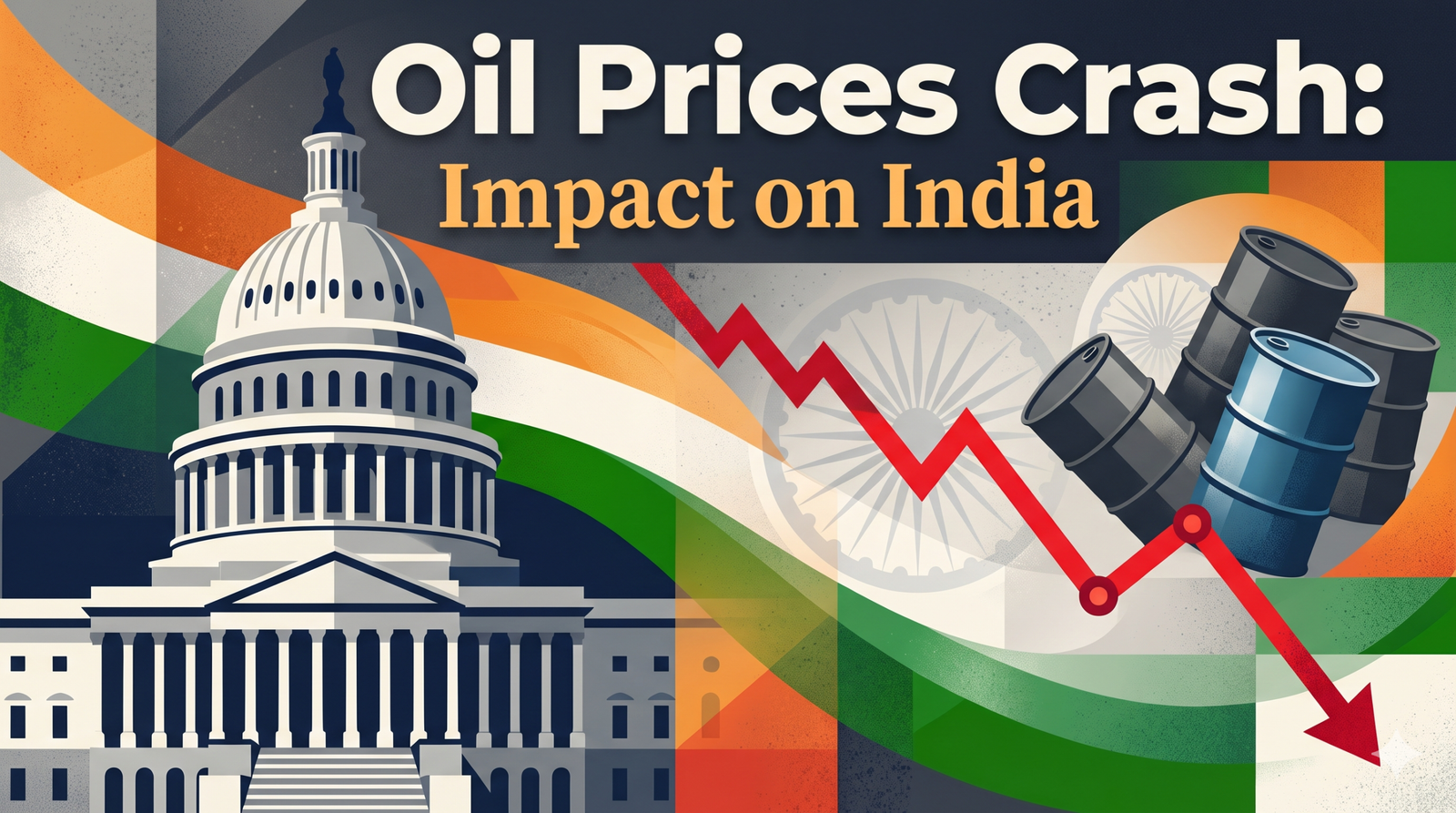
Sudden Drop in Oil Prices: Immediately following the election results, global crude oil prices crashed by more than 8%. This decline was not driven by an official ceasefire, but by market speculation that the newly empowered Congress will force the administration to negotiate a de-escalation with Iran.
Congressional Leverage: The US legislative branch holds substantial authority that can alter foreign policy, including the power to control government military spending, approve treaties, question military decisions, and initiate impeachment proceedings.
The War Powers Resolution of 1973: Under this mandate, the US President must notify Congress within 48 hours of deploying the military, and unauthorized operations are capped at a 60-day limit. Although the opposition party lacks the two-thirds majority required to override a presidential veto, they now possess enough leverage to exert massive political pressure against prolonged conflicts.
Stabilizing the Strait of Hormuz: The ongoing conflict previously led to blockades in the Strait of Hormuz, a vital maritime chokepoint responsible for handling roughly 25% of the world’s daily oil supply. The prospect of political negotiations heavily reduces the risk of further shipping disruptions.
Direct Benefits for India’s Economy: Because India imports approximately 85% of its crude oil and relies heavily on the Gulf for Liquefied Natural Gas (LNG), stabilizing international oil routes directly shields the Indian economy from rising transportation costs, domestic inflation, currency depreciation, and mounting fiscal deficits.
Strategic Shipping Exemptions: Even amid regional tensions, India recently secured special exemptions to continue moving its ships through the Strait of Hormuz, primarily to facilitate the uninterrupted supply of vital medical procurements.
Future Trade Negotiations: The shifting power dynamics in Washington could accelerate pending bilateral trade deals between the US and India. However, there is a parallel risk that the current administration might temporarily raise tariffs to project domestic strength following its election losses.
Potential Relief for Visas: The political realignment may eventually lead to a softening of restrictive H-1B visa policies. This is a critical development for India, as Indian professionals account for a vast majority of approved visa petitions and over 360,000 Indian students currently study in the US.
Maintaining Strategic Autonomy: Amidst these complex geopolitical changes, India continues to operate on the principle of strategic autonomy. This involves balancing its defense partnerships with the US through platforms like the Quad, securing regional connectivity via Iran’s Chabahar port, and prioritizing national economic interests by sourcing discounted crude oil from Russia.