


The geopolitical climate in the Middle East has experienced a dramatic transformation over the first half of 2026. Earlier in the year, the United States and its allies held unquestioned dominance, while Iran faced severe economic sanctions and a frozen global financial presence. However, recent developments indicate a rapid shift in the balance of power, marked by a controversial new Memorandum of Understanding (MoU) between Washington and Tehran that has left the international community—and key US allies—reeling.
A Closer Look at the Framework
After an extended period of tension and indirect conflict, the US administration has reportedly agreed to terms that significantly favor Iranian interests. While marketed domestically as a diplomatic victory, leaked details of the agreement suggest major concessions from the United States:
- Unaddressed Security Concerns: The primary catalysts for recent hostilities—such as Iran’s ballistic missile advancement and its network of regional proxies—have been completely omitted from the binding sections of the agreement.
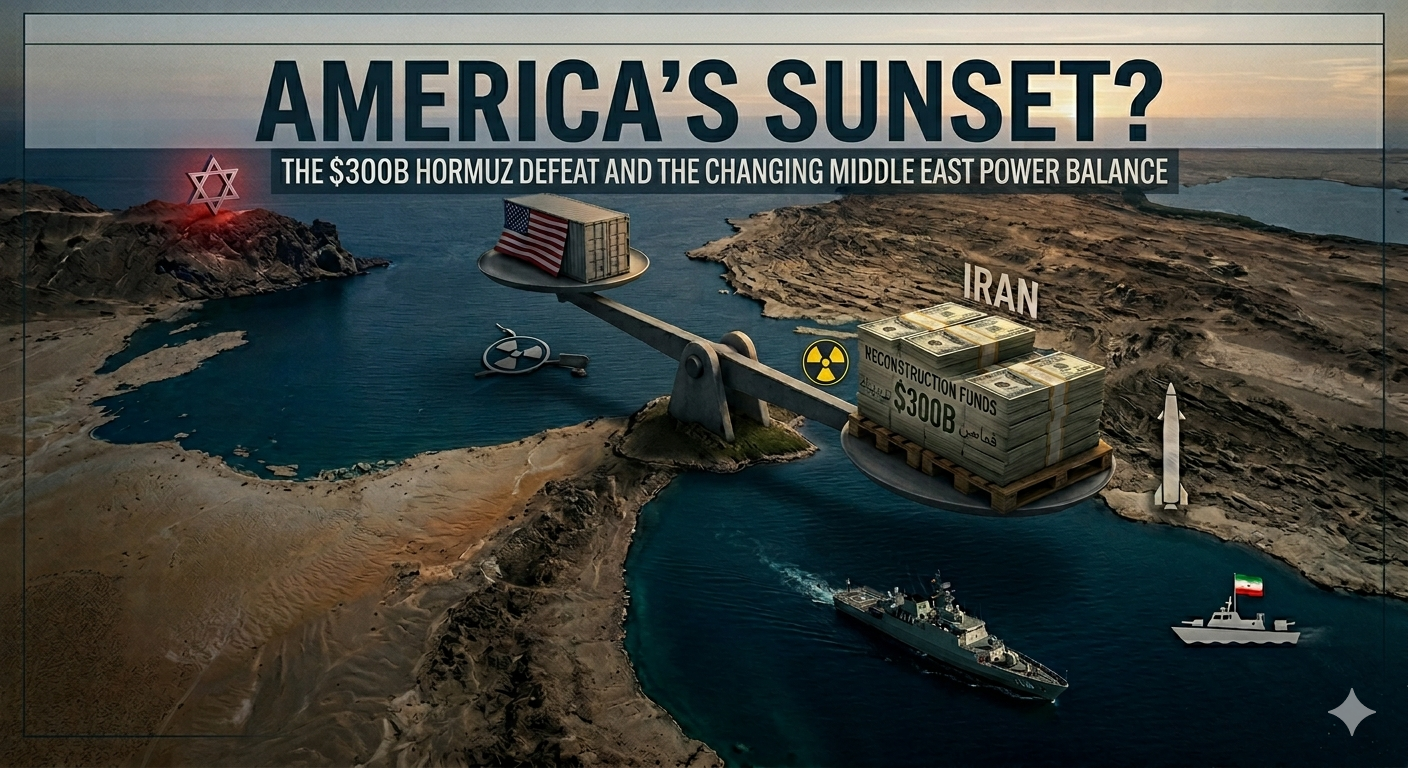
- The Strait of Hormuz: While the US points to the reopening of this critical shipping lane as a win, Iran maintains operational oversight. Instead of a truly free-navigation zone, Tehran intends to levy what it describes as “service and environmental” fees on passing vessels.
- Relaxed Nuclear Oversight: The new framework lacks the rigorous, independent inspection protocols seen in previous international agreements. Instead, it relies heavily on non-binding assurances and written pledges from Iranian leadership that they will not pursue nuclear armament.
Economic Concessions and Unfrozen Assets
The financial implications of the MoU have sparked significant debate. According to various reports, the agreement facilitates the immediate release of tens of billions in frozen Iranian assets.
More contentiously, there are widespread discussions regarding a proposed $300 billion reconstruction fund earmarked for Iran. While US political figures have carefully navigated around confirming the exact nature of this massive fund, they have not explicitly denied the underlying financial restructuring. Tracking data and regional reports even suggest that initial multi-billion-dollar transfers have already commenced.
A Staggering Historical Contrast
Diplomatic analysts are quick to point out the stark contrast between this new framework and the 2015 Joint Comprehensive Plan of Action (JCPOA). The previous administration heavily criticized and ultimately abandoned the 2015 agreement, which had successfully neutralized the vast majority of Iran’s enriched uranium and enforced strict international monitoring.
The current 2026 framework, by comparison, offers virtually no concrete oversight mechanisms. Many military and strategic experts view this as a significant diplomatic retreat for the United States, effectively conceding regional authority to Tehran without securing tangible safety guarantees in return.
The Regional Fallout: Israel’s Discontent
The most vocal opposition to this developing peace deal comes from Israel. Israeli leadership, currently pursuing extensive territorial and security objectives in neighboring regions like Lebanon, views the US-Iran MoU as a direct threat to its national security and strategic goals.
The normalization of relations and the influx of capital into Iran completely disrupt Israel’s broader regional strategies. As a result, relations between the US and Israel have fractured publicly. With a formal signing ceremony slated for mid-June in Geneva, diplomatic channels are fraught with anxiety. There are rising concerns that hardline factions may attempt to actively sabotage the peace process—potentially through preemptive military provocations—to force a collapse of the agreement before the ink can dry.
Looking Ahead
As the deadline approaches, the international community remains on high alert. The current administration’s attempt to extricate itself from Middle Eastern conflicts has resulted in a deal that drastically redefines global power dynamics. Whether this framework brings a fragile peace or sets the stage for a more volatile proxy war will depend entirely on the actions taken by regional actors in the coming days.