




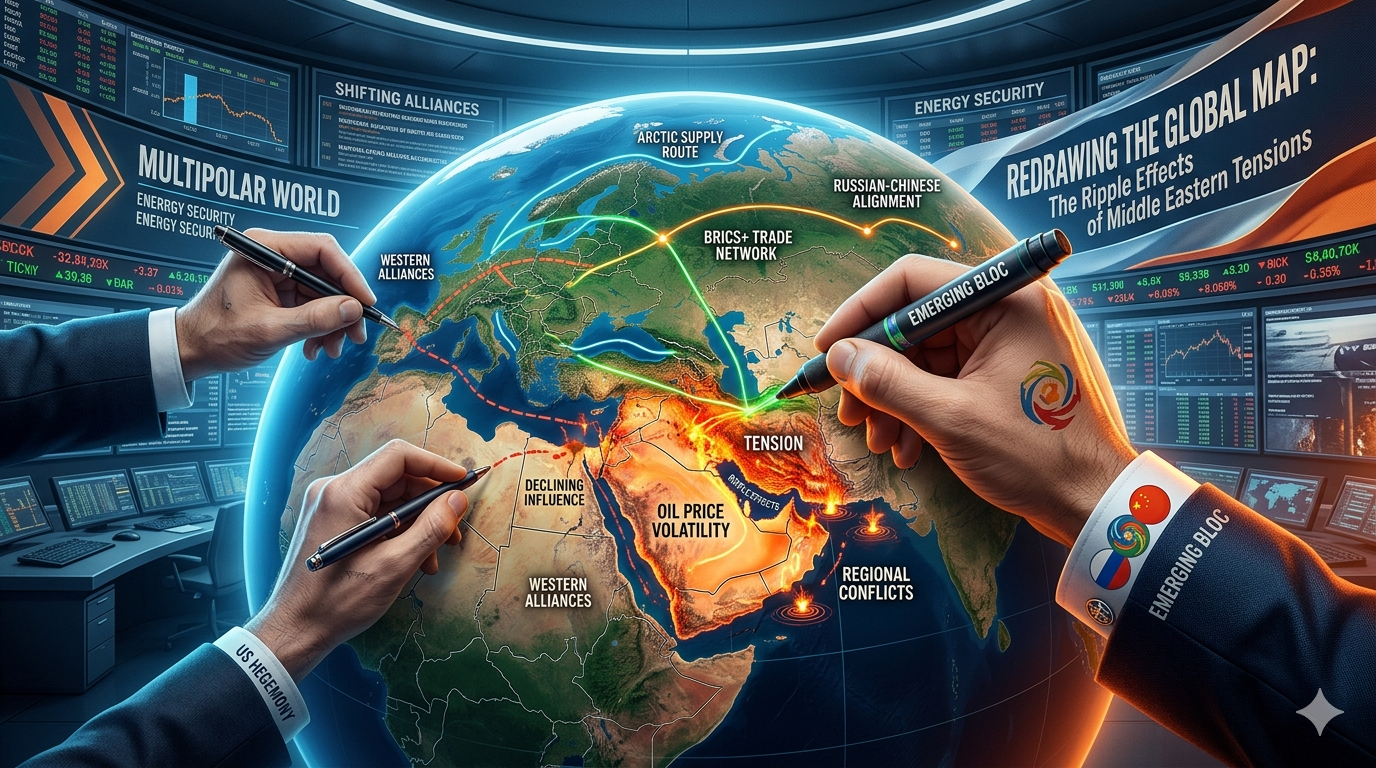
In the complex theater of international relations, superpowers frequently rely on indirect strategies rather than facing adversaries head-on. A classic maneuver in great power competition is forcing an opponent into a protracted, resource-draining conflict—a tactic designed to weaken them from the inside out.
Historically, this dynamic contributed to the exhaustion of the Soviet Union during its lengthy campaign in Afghanistan. Today, geopolitical analysts suggest we are witnessing a reversal of this playbook. Eastern powers appear to be leveraging regional conflicts in the Middle East to stretch Western military and economic resources, effectively using the same proxy-war strategies against the West.
The Fading Unipolar Moment
For decades, Western nations—primarily the United States—have maintained influence in the Middle East by positioning themselves as indispensable security guarantors. This dominance was largely justified by the need to protect allies from regional adversaries. However, this established order is experiencing significant fractures.
The successful mediation of diplomatic ties between historically opposed Middle Eastern nations by alternative powers, such as China, has signaled a shift in diplomatic weight. As regional instability impacts trade and tourism, local nations are beginning to question the reliability of Western security umbrellas, opening the door for new global mediators.
Strategic Beneficiaries of Regional Chaos
The ongoing turbulence in the Middle East is inadvertently creating massive strategic advantages for heavily sanctioned nations like Russia. This shifting dynamic is driven by several key factors:
Commodity Windfalls: Geopolitical instability naturally disrupts energy markets, driving up global oil and gas prices. For energy-exporting nations operating under Western sanctions, this price surge translates into an unexpected and massive influx of capital.
Divided Attention: As Western military aid and diplomatic focus pivot toward managing Middle Eastern crises, attention is inevitably drawn away from other critical battlegrounds, such as Eastern Europe.
Fiscal Resilience: While major Western economies grapple with soaring debt-to-GDP ratios, nations that have spent years building “fortress economies” to withstand sanctions often operate with significantly lower national debt. This financial buffer provides them with the flexibility to endure prolonged global economic friction.
Alternative Trade Routes: As traditional maritime chokepoints in the Middle East become volatile, global trade is forced to look elsewhere. This accelerates the development and appeal of alternative energy supply routes, such as those traversing the Arctic or Baltic regions.
The Nuclear Chessboard
One of the most delicate aspects of current Middle Eastern geopolitics is the advancement of nuclear capabilities. The threat of atomic proliferation remains a primary motivator for Western intervention.
In this high-stakes environment, nations with deep ties to emerging nuclear programs hold incredible diplomatic leverage. For instance, an allied power could theoretically propose taking custody of highly enriched nuclear material to prevent immediate conflict. However, this comes with an implicit deterrent: should Western forces attack the host nation, the custodial power could return the materials, escalating the threat. This forces Western nations to the negotiating table on unfavorable terms.
Trade Chokepoints and the Rise of Emerging Blocs
The strategic maneuvering extends heavily into global trade, particularly around vital shipping lanes. An emerging and fascinating trend is the strategic application of maritime transit tolls.
While Western-aligned cargo faces increasing friction and costs to navigate specific regional waters, vessels belonging to nations allied with emerging economic coalitions—such as the BRICS+ framework—are often granted safe, toll-free passage. This preferential treatment creates a tangible, immediate economic incentive for unaligned countries to pivot away from Western systems and join alternative global frameworks.
The Path Toward a Multipolar World
Ultimately, the current friction in the Middle East transcends regional borders. It is acting as a catalyst for a broader geopolitical realignment. By capitalizing on strategic distractions, utilizing nuclear diplomacy, and leveraging vital trade routes, an alliance of Eastern and sanctioned nations is successfully challenging the traditional unipolar global order and accelerating the transition toward a multipolar world.